Key takeaways
- A public main repair does not document the condition of private plumbing.
- A supply interruption calls for a source check; visible wet materials also need a restoration assessment.
- Photographs should connect each observed wet area to a plausible route that can be investigated.
- Pipe repair and drying need separate completion records.
- An unexplained damp section deserves another inspection before finishes conceal it.
Separate the utility event from the condition inside
The January 2019 report described a break on Whites Creek Pike and the utility response. At a property affected by a supply disruption, the first record should distinguish a loss of pressure from water entering the building. The property contact can note when pressure changed, where water appeared and whether leakage continued after the supply was isolated.
A resident may know when a faucet stopped flowing but discover a wet cabinet later. Those observations should be recorded as separate events until inspection establishes a connection. A sequence helps the investigating professional ask better questions without turning an assumed relationship into a fact repeated throughout the cleanup paperwork.
The Joelton pipe cleanup page concerns damaged building materials associated with a pipe release. It should be read alongside an actual source assessment, not as evidence that a utility break caused a private leak simply because both events occurred around the same time.
- Distinguish interrupted supply from observed indoor water.
- Record the location where wet material was first noticed.
- Keep utility notices with their original date and context.
- Leave cause attribution open when the route is unknown.
Identify who can resolve each source question
Questions about the reported public main belong with the utility responsible for that system. A suspected defect in a building requires assessment of the plumbing actually serving the affected area. The project file should identify the issue being investigated before it assigns the same responsibility to every person working at the property.
An interior cleanup provider needs to know whether water entry has stopped before establishing a stable drying plan. That is different from determining who owns a pipe or who pays for its repair. Neither a neighborhood description nor the location of a public excavation settles those separate questions for a particular building.
A repair note should explain what was isolated, inspected, or corrected and what remained uncertain. If another professional must complete that investigation, the handoff should name the unresolved task. Clear boundaries allow water removal and material assessment to be documented without presenting them as proof that the plumbing issue has been solved.
Trace the release through openings and adjoining finishes
Water discovered beside a wall can have arrived from above, below, or an adjacent enclosure. The survey should examine accessible connections between the suspected source and the visible damage. A stain alone cannot explain the entire route, especially when fixtures, cabinets, or floor coverings block a direct view of the affected assembly.
The room diagram should distinguish the first discovery point from the furthest measured wet edge. Those positions may be different after liquid has moved through a floor transition or around a fixed object. Identifying them separately helps explain why cleanup extends beyond the spot shown in an initial photograph.
Any purposeful opening should add information about the route or the condition of hidden material. Images before and after access can show what the finish concealed. That record is especially valuable when the plumbing repair and moisture assessment happen at different times and different professionals need to understand the same wall or floor.
- Show the suspected source and discovery point separately.
- Inspect accessible edges beside fixed cabinets.
- Record moisture differences across thresholds.
- Photograph newly exposed layers before the opening changes again.
Community terrain does not describe the building assembly
Joelton includes farms and suburban neighborhoods among steep rolling hills, with shallow bedrock in places. At a wet building, the inspection identifies the foundation and floor layers before choosing access for extraction. A diagram showing the pipe route, damp rooms and any lower-level openings helps connect the repair location with the areas needing drying.
Bungalows and farmhouses appear along Whites Creek Pike, but a building style does not answer whether an interior finish can remain after a release. Actual material identification is still needed. The inspection should describe flooring, backing, insulation, and accessible framing as encountered instead of assigning them from an exterior impression.
The community water service overview covers several possible water problems. Selecting the relevant service should follow the property findings, with terrain used only where an observed outside route makes it relevant. A familiar local description is not a substitute for checking the wet assembly itself.
Evaluate water contact before choosing retention
The phrase main break does not tell the assessor everything the water touched before reaching a finish. An outdoor route across soil differs from a contained indoor supply release. The material decision should describe the observed route and condition without assigning every incident the same cleaning or removal treatment from its label.
An absorbent finish may conceal affected backing even after the top surface appears improved. Assessment should account for whether the underlying layers can be reached, cleaned as appropriate, and evaluated during drying. The decision to retain a covering needs support from the whole assembly intended to remain beneath it.
Removal records should explain the specific condition that made retention unsuitable. A broad statement that water damage required demolition does not tell the owner which material failed or what was inaccessible. Photographs and location notes preserve that reasoning for later repairs while leaving unrelated parts of the building outside the scope.
- Describe outdoor travel when it was actually observed.
- Identify the backing beneath a proposed retained finish.
- Explain removal decisions by material and room.
- Avoid assigning identical treatment to all wet objects.
Confirm that drying is addressing a stable condition
Continued entry can make equipment changes look ineffective when the underlying problem is still active. Monitoring should therefore consider whether the source has remained controlled as well as whether the materials are responding. A fresh wet edge deserves investigation instead of being treated automatically as a continuation of the original boundary.
Repeat measurements should refer to identifiable wall and floor locations. An unaffected comparison material can help interpret progress, provided its relationship to the tested assembly is suitable. The log should retain that context so a person reviewing the file can understand why the assessor considered one section ready and another incomplete.
The record can connect equipment adjustments with changes in accessible surfaces or room conditions. If a cabinet opening allowed a concealed area to be evaluated, that should be stated. A useful drying history explains the response of the building rather than offering only a list of devices and visit dates.
Close the incident with distinct repair and cleanup records
Joelton is an unincorporated community, so descriptions of the project should not invent a city department or a local rule that has not been established. Where a public service question remains, the responsible agency should be identified through the actual incident information. Historical utility arrangements do not resolve present property responsibilities.
The cleanup file should include the affected rooms, material decisions, access openings, and final measurements. A separate repair document can show what was done to the source. If that document has not been received, the closing notes should say so rather than imply that the absence of visible water proves the repair was completed.
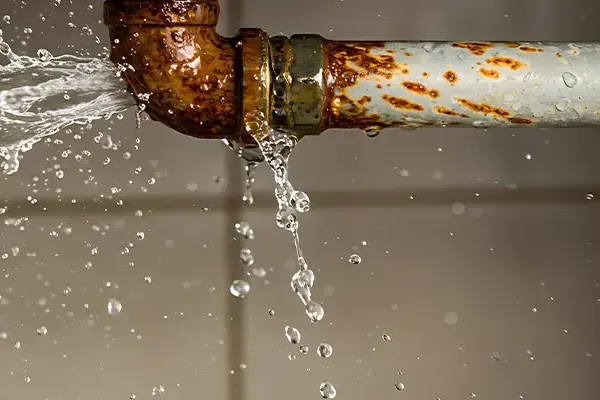
The burst pipe cleanup record should connect the repair location with every affected room. Final readings document retained materials, and photographs show openings awaiting closure. The owner can then coordinate finish repairs while keeping any renewed water entry or unresolved plumbing question visible to the responsible professional.
Questions
Does the 2019 Joelton main break prove a private pipe defect?
The account establishes a public main event. A private defect would need findings from the plumbing serving the individual property.
Is interrupted water service itself a cleanup loss?
Supply interruption does not demonstrate wet walls, flooring, or contents. A mitigation scope needs observed building damage or material contact in addition to the service report.
Can the same file contain utility and indoor observations?
Yes, provided each entry identifies what was observed and by whom. Keeping those entries distinct prevents an untested cause from becoming a repeated conclusion.
Why keep source repair paperwork after drying ends?
The repair record answers what stopped the release, while drying measurements address retained material condition. Together they explain different parts of recovery without asking either record to prove the other.