Contaminated water cleanup in Coopertown
Sewage Backup Cleanup in Coopertown, TN
Wastewater inside a building changes the safety plan immediately. The affected route is contained, porous contact is documented and clean rooms stay outside the work zone. Each contacted material then receives a specific handling decision.
(888) 849-5796Request contained sewage cleanup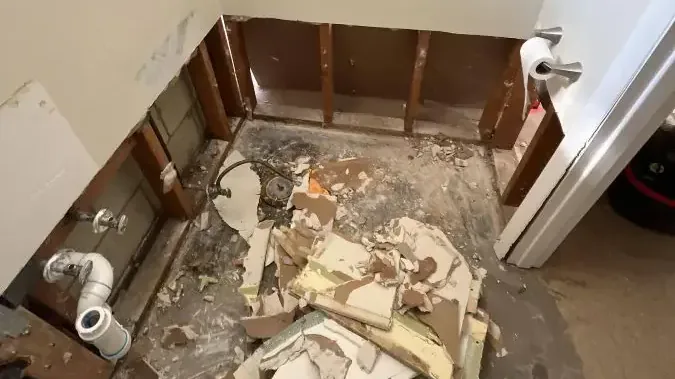
Access rule
Stay outside contacted rooms
Source question
Fixture, drain or lateral
Removal focus
Porous wastewater contact
Local reference
Highway 49
Do this first
First moves when you find sewage cleanup
- Block entry to the room Close the area without stepping through wastewater or carrying contacted items into clean space.
- Avoid powered equipment Do not use household vacuums, fans or extension cords where contaminated liquid is present.
- Note the active fixture From a safe position, record whether a toilet, drain or other opening continues to release water.
- Preserve the outside path Keep hallways and exits clear so the eventual cleanup route can remain controlled.
Typical cost ranges
What does sewage backup cleanup cost in Coopertown, TN?
Sewage cleanup cost depends on the source, rooms crossed, porous materials contacted, access and duration. The scope should separate waste removal, cleaning, drying and the plumbing correction.
Small drain backup
$2,500 to $5,000
- Limited fixture area
- Controlled liquid removal
- Accessible hard surfaces
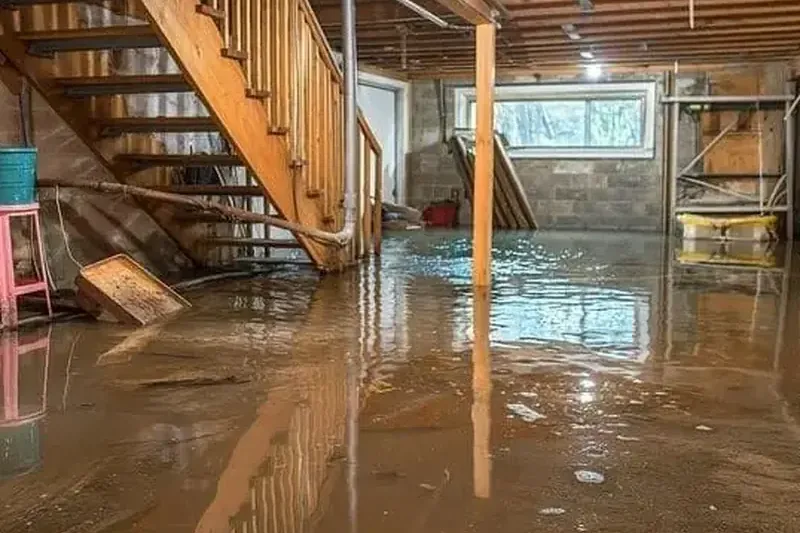
Finished basement interior
$5,000 to $10,000
- Finished room contact
- Porous material disposal
- Wall base cleaning
Large or long-standing
$10,000 to $15,000+
- Broad contaminated path
- Multiple containment zones
- Extended moisture tracking
Every loss is priced on its own facts. Run the water damage cost calculator for a planning range before the walkthrough.
The work, step by step
How sewage cleanup is handled in Coopertown, TN
- 1
Establish the contaminated boundary
Trace every contacted surface and keep occupants on a separate clean route.
- 2
Remove waste and porous loss
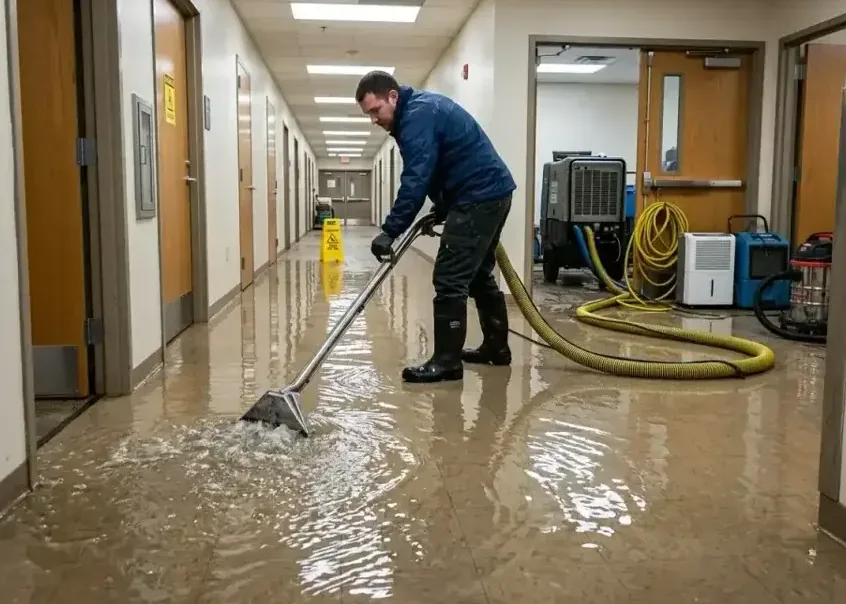
Extract liquid, collect solids and document materials that cannot be reliably cleaned.
- 3
Clean retained surfaces
Work methodically across accessible hard materials before drying equipment operates.
- 4
Dry and close the file
Measure structural points and record the final condition after cleanup is complete.
A wastewater release near Highway 49 should remain separated from normal household traffic from the moment it is found. The source may be a fixture, branch drain or private lateral, and that distinction is established at the property. A plumbing assessment locates the obstruction or failed connection before normal fixture use resumes. Initial notes identify where liquid appeared, which surfaces it crossed and whether flow is still active.
Containment protects the unaffected route
Doors, thresholds and floor transitions define practical work boundaries. Workers select protective equipment for the observed contact and place removal tools so residue does not travel toward clean rooms. Air movement is withheld until contaminated material has been controlled because uncontrolled fans can distribute particles. A path for bagged debris is planned before demolition begins.
- Keep people and animals outside the affected area
- Avoid plunging when overflow could spread farther
- Photograph the first visible boundary from safety
- Do not move wet rugs through clean rooms
Material decisions follow contact and porosity
Hard, accessible surfaces may accept detailed cleaning after bulk waste is removed. Carpet pad, saturated fiber products and other absorbent materials often require disposal when wastewater has penetrated them. Wall bases and cabinet voids are opened only where evidence supports access. Burgess Gower Road and Coopertown Elementary School help locate a response, but onsite findings determine the work zone.
Cleaning precedes structural drying
Extraction removes liquid and solids first. Remaining surfaces are cleaned using controlled passes, with rinse or verification steps suited to the material. Only then is drying equipment arranged for retained moisture. Dehumidification collects vapor while protected air paths keep the clean side separate. Readings are taken at fixed points rather than inferred from odor or surface appearance.
Contamination fact: Wastewater contact changes handling even when the visible volume is small. The path across a porous surface matters as much as the depth.
The closeout record follows the dirty path
Documentation identifies the suspected origin, containment boundary, removed materials and surfaces cleaned. Photographs show the condition before and after controlled removal. Moisture values explain the drying period, and a final list separates restoration work from plumbing correction. References to I-24 or Coopertown Middle School describe access only and never substitute for property evidence.
Sewage Backup Cleanup and local building conditions
Local building layouts and drainage patterns guide the moisture map and equipment plan.
Service area
Sewage Backup Cleanup across Coopertown and Robertson County
Response covers Highway 49, Burgess Gower Road and I-24, including properties around the town schools. Water extraction removes collected liquid, while structural drying addresses moisture left in retained materials.
Service areas include Burgess Gower Road, Highway 49, I-24, Coopertown Elementary School, Coopertown Middle School.
All water damage services in CoopertownRelated
Related water damage services in Coopertown

Questions
Sewage Backup Cleanup questions in Coopertown, TN
1Should occupants enter to stop the source?
No. Entry through wastewater can spread contamination and create electrical or slip hazards.
2Can carpet stay after sewage contact?
Absorbent flooring and pad commonly require removal when wastewater penetrates them; the actual contact determines the decision.
3When can air movers operate?
Drying airflow starts after bulk contamination and affected porous material have been controlled.
4Is every drain backup handled the same way?
No. Source, surfaces crossed, duration and access produce a property-specific containment and cleaning plan.
5What gets photographed?
The source area, visible boundary, contacted contents, removal limits and retained surfaces are documented.
6Does restoration fix the drain problem?
Cleanup addresses interior contamination and moisture; a qualified trade handles the underlying plumbing fault.
7Which local names support arrival?
Highway 49, Burgess Gower Road and I-24 support location while the building findings define service. Those references never identify a wastewater source, operator or recurring local pattern.
24/7 emergency dispatch
Sewage Backup Cleanup in Coopertown? Start the dry-out now.
Water that sits keeps spreading into subfloor, drywall and framing. The restoration crew handles sewage cleanup 24/7 across Coopertown.