Rain entry cleanup in Coopertown
Storm Water Damage in Coopertown, TN
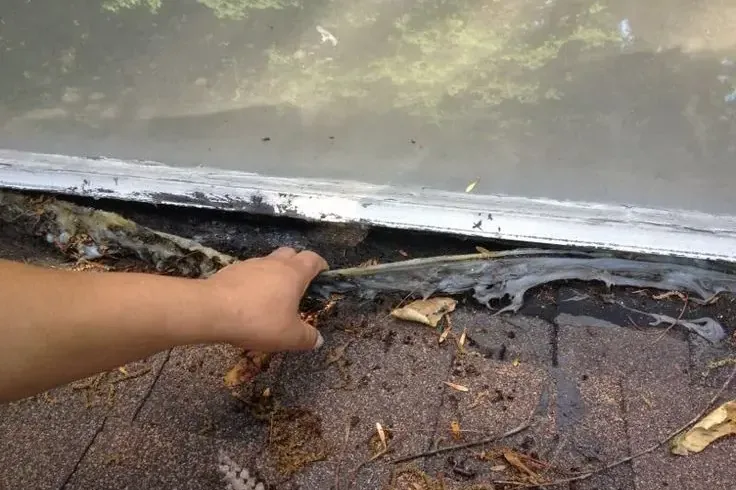
Rain may enter at roofing, flashing, a door or surface opening and then travel away from the visible stain. The inspection follows evidence instead of assuming community-wide storm damage. Interior mapping continues only from conditions confirmed at the property.
(888) 849-5796Request storm entry inspection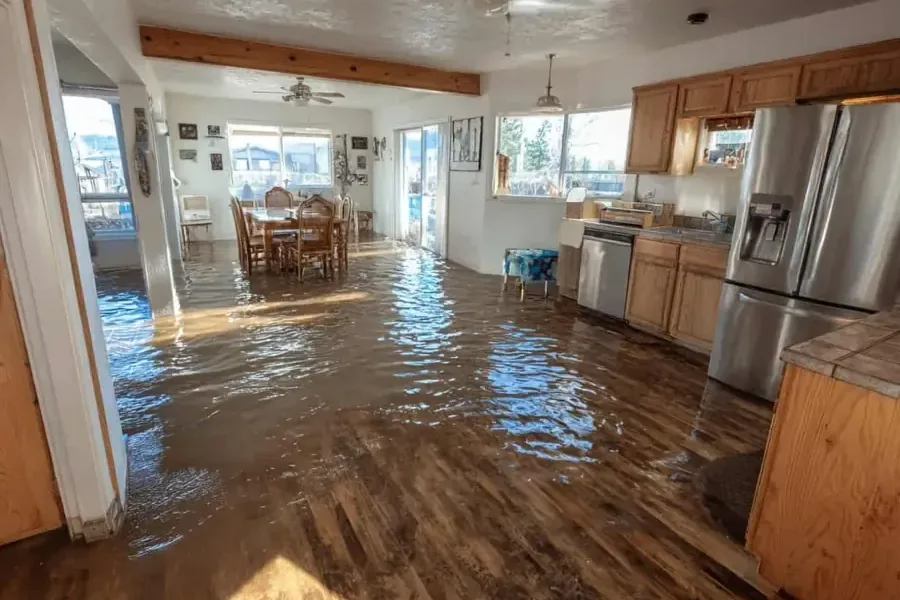
Possible entry
Roof, door or exterior opening
Mapping path
From high point to lower finishes
Weather rule
Property evidence only
Area marker
Highway 49
Do this first
First moves when you find storm water damage
- Stay clear of soft ceilings Do not stand beneath sagging drywall or wet fixtures while rain continues to enter.
- Protect dry belongings Move unaffected contents away from drips without walking through water near electrical sources.
- Capture the stain pattern Photograph the highest visible mark, lower damage and any safe exterior clue.
- Arrange temporary source control Coordinate roofing or exterior protection before structural drying is expected to hold.
Typical cost ranges
What does storm water damage cost in Coopertown, TN?
Storm cleanup pricing depends on rooms reached, extraction needs, insulation or drywall condition, safe access and drying zones. Exterior repair should be listed apart from restoration. onsite.
Door or window space
$1,500 to $3,500
- Single entry area
- Water collection
- Moisture map
Most of a lower level
$3,500 to $7,500
- Wall ceiling route
- Insulation condition check
- Several drying points
Category 3 storm loss
$7,500 to $12,000+
- Broad connected spread
- Multiple material openings
- Longer monitoring record
Every loss is priced on its own facts. Run the water damage cost calculator for a planning range before the walkthrough.
The work, step by step
How storm water damage is handled in Coopertown, TN
- 1
Control continuing entry
Coordinate safe temporary protection so new rain does not defeat indoor drying.
- 2
Follow the vertical path
Test roofing-side materials, ceiling layers, walls and the floor below.
- 3
Remove trapped water
Extract pools and open only finishes that prevent safe access or evaporation.
- 4
Monitor by elevation
Compare high and low points until each affected assembly reaches target.
A rain stain discovered near Highway 49 may be several steps removed from the exterior opening. Water can travel along framing or collect above a ceiling before appearing indoors. The crew begins with weather-safe source control, interior photographs and readings that follow gravity and material joints. No unverified townwide storm pattern is added to that evidence.
Temporary control protects the inspection
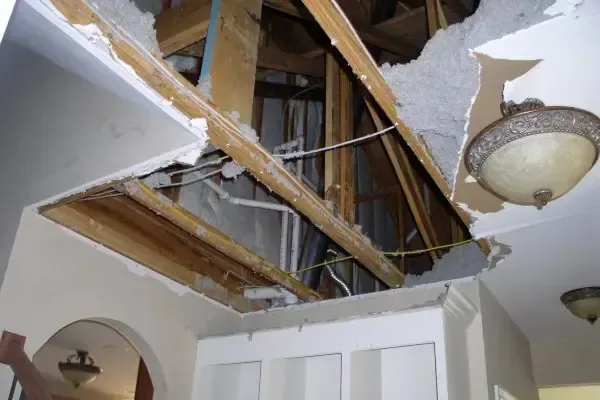
When weather permits safe work, an exterior trade may cover or repair the opening. Restoration staff protect contents, collect interior water and mark the current boundary. A sagging ceiling is not pressed or punctured from below. Electrical fixtures within the wet path remain off until safe access and the source condition are understood.
- Place containers only where the ceiling is stable
- Move dry contents away from active dripping
- Photograph staining before it expands
- Keep people clear of softened materials
High and low readings tell different stories
Attic insulation, sheathing, ceiling drywall, walls and flooring can all appear in one rain path. Each is tested separately. Near Burgess Gower Road and I-24, route names help direct service but do not predict construction. The technician uses what is accessible at the building and records any closed cavity that requires selective opening.
Drying begins after the entry is controlled
Extraction handles collected liquid, while air movers serve exposed damp finishes. Dehumidification lowers vapor produced by those surfaces. Wet insulation or collapsed gypsum may need removal, but intact material can sometimes remain when cleaning, access and readings support that choice. Monitoring points are labeled from the highest confirmed wet material toward the lowest.
Storm fact: A ceiling spot may mark the end of a travel path rather than the place rain crossed the exterior shell.
Source and restoration records stay separate
The project file includes interior conditions, moisture readings, material changes and drying progress. Roofing or exterior repair notes are referenced without being presented as restoration work. Coopertown Elementary School and Coopertown Middle School remain community landmarks, not examples of damaged buildings. Completion rests on the property measurements and a dry comparison.
Storm Water Damage and local building conditions
Local building layouts and drainage patterns guide the moisture map and equipment plan.
Service area
Storm Water Damage across Coopertown and Robertson County
Service covers Highway 49, I-24 and Burgess Gower Road. See roof leak cleanup and ceiling cleanup. Both town schools provide further location context.
Service areas include Burgess Gower Road, Highway 49, I-24, Coopertown Elementary School, Coopertown Middle School.
All water damage services in CoopertownRelated
Related water damage services in Coopertown

Questions
Storm Water Damage questions in Coopertown, TN
1Can a ceiling stain identify the roof opening?
Not always. Water may travel along framing before it becomes visible inside the room.
2Who stops active rain entry?
A roofing or exterior trade handles the opening while restoration protects and dries interior materials.
3Should a bulging ceiling be punctured?
No. Keep clear and allow trained personnel to evaluate the weight, electricity and safe access.
4How is wet insulation assessed?
Condition, contamination and access determine whether insulation can dry or needs controlled removal.
5When can structural drying begin?
The active entry should be controlled so new water does not keep changing the moisture map.
6What records connect the work?
Photos, high and low readings, removal notes and source repair information create a clear sequence.
7Which local names define coverage?
Storm cleanup is available around Highway 49, I-24 and Burgess Gower Road. The first visit identifies the rain or runoff entry point, checks safe access and records the rooms needing extraction.
24/7 emergency dispatch
Storm Water Damage in Coopertown? Start the dry-out now.
Water that sits keeps spreading into subfloor, drywall and framing. The restoration crew handles storm water damage 24/7 across Coopertown.