Measured building drying in Joelton
Structural Drying in Joelton, TN
Drying is a sequence of material measurements, equipment decisions and access changes. The setup responds directly to the wettest retained assembly instead of running unchanged for a preset number of days.
(888) 849-5796Request a drying plan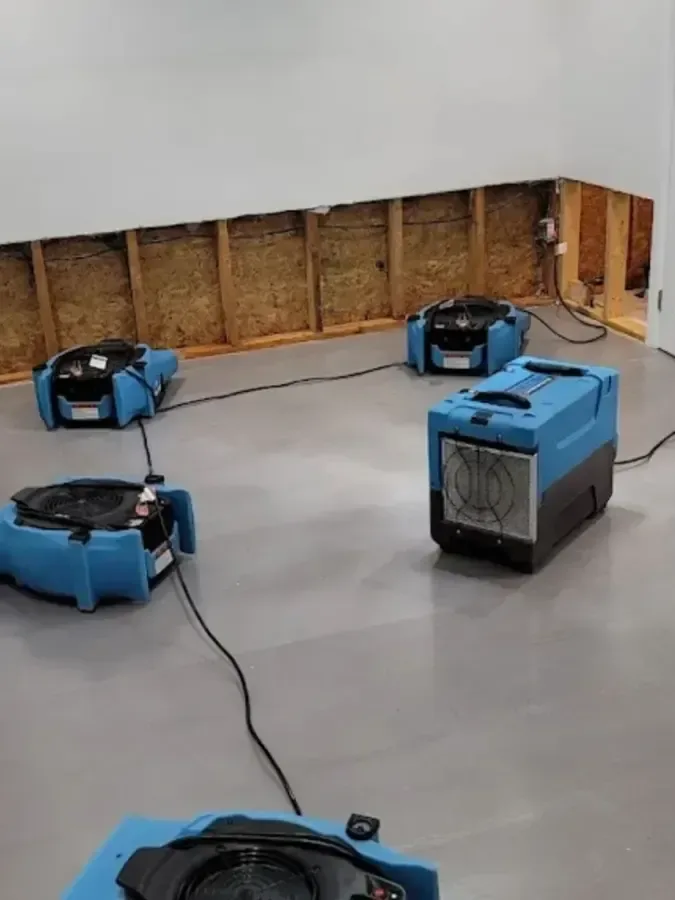
Starting map
Wet and dry comparison points
Air task
Promote surface evaporation
Humidity task
Collect released vapor
Finish
Stable material targets
Do this first
First moves when you find structural drying
- Protect the drying setup Keep cords, drains and equipment positions undisturbed unless a technician directs a change.
- Report new water Identify any continuing leak or fresh entry before it invalidates the drying trend.
- Maintain defined boundaries Leave containment and specified doors in their planned positions for stable environmental control.
- Preserve monitoring points Do not cover or move marked locations used for repeat material measurements.
Typical cost ranges
What does structural drying and dehumidification cost in Joelton, TN?
Structural drying cost depends on retained water load, material density, room volume, access, environmental control and the monitoring visits needed to verify changing conditions across the property.
One zone, Class 1 to 2
$1,500 to $3,000
- Limited material load
- Open evaporation faces
- Simple equipment layout
Several rooms
$3,000 to $6,500
- Connected drying areas
- Multiple material types
- Repeated adjustments
Class 4, dense assemblies
$6,500 to $10,000+
- Low-permeance layers
- Special access needs
- Extended measurement detail
Every loss is priced on its own facts. Run the water damage cost calculator for a planning range before the walkthrough.
The work, step by step
How structural drying is handled in Joelton, TN
- 1
Define materials and targets
Separate wet assemblies and establish comparison points for each type.
- 2
Create evaporation access
Remove liquid and open only the layers preventing effective moisture movement.
- 3
Operate a balanced system
Coordinate directed airflow with dehumidification inside the planned zone.
- 4
Respond to recorded trends
Reposition or remove equipment as repeat measurements justify changes.
Structural drying begins after liquid, contamination and unsalvageable materials are addressed. The remaining task is not simply to place fans. Wood, gypsum, concrete and insulation-adjacent surfaces hold and release moisture differently. A Joelton drying plan identifies each retained assembly, marks measurement points and selects an unaffected comparison suited to that material.
Extraction defines the first equipment load
Removing accessible liquid reduces what must evaporate indoors. Open wet surfaces can then exchange moisture with surrounding air. Air movers support that exchange, while dehumidifiers collect vapor from the drying environment. Equipment quantities and positions follow the actual footprint, room arrangement and material readings rather than a uniform package.
- Mark monitoring points before equipment shifts
- Keep doors or containment set as specified
- Report unexpected new water immediately
- Protect equipment power from occupants and contents
Measurements make the setup adjustable
Readings collected from the same points reveal trends that casual touch cannot. If one wall base improves quickly while a dense floor remains elevated, airflow and dehumidification may be reassigned. When values stop changing, the crew investigates blocked surfaces, continuing sources or insufficient access instead of assuming more time will solve the problem.
Selective access can shorten the moisture path
A finish layer, cabinet base or saturated insulation may isolate wet material from dry air. Direct readings locate a controlled opening that provides cleaning or evaporation access. Joelton includes historic rural properties and bungalows along Whites Creek Pike. The crew identifies the layers in the affected building and records each opening before equipment is arranged around retained wood, gypsum or flooring.
Drying fact: Air movement encourages evaporation, while dehumidification removes the resulting vapor so it does not settle into other materials.
Closeout requires a comparable target
Final readings use suitable unaffected material or another project-specific dry standard. The record pairs those values with equipment changes and access decisions. Whites Creek Pike, Interstate 24, U.S. Route 431 and Long Creek identify Joelton coverage; the measured building response determines when drying is complete.
Structural Drying and Dehumidification and local building conditions
Local building layouts and drainage patterns guide the moisture map and equipment plan.
Service area
Structural Drying & Dehumidification across Joelton and Davidson County
Structural drying is available near Interstate 24, Long Creek and Whites Creek Pike. Begin with water extraction or browse the local service hub.
Service areas include Whites Creek Pike, Interstate 24, U.S. Route 431, Long Creek, Metro Water Services.
All water damage services in JoeltonRelated
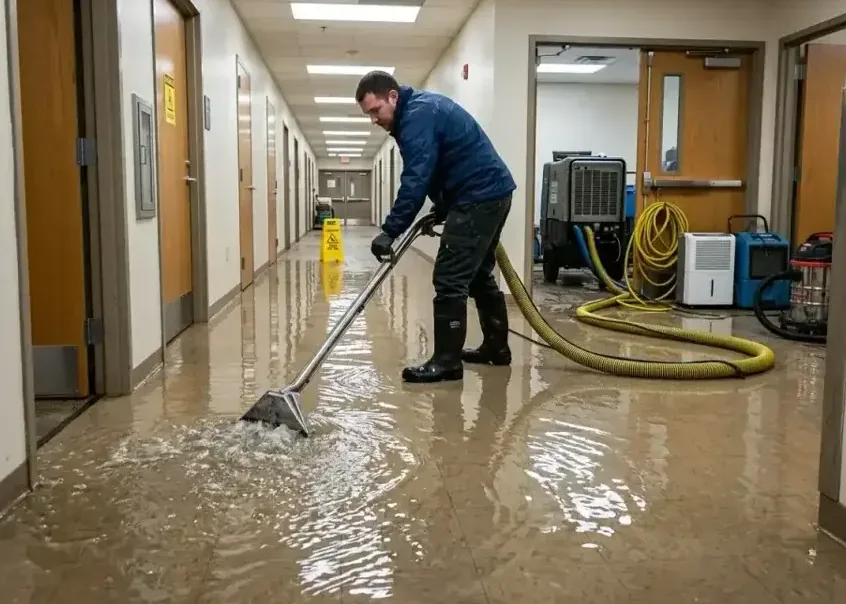
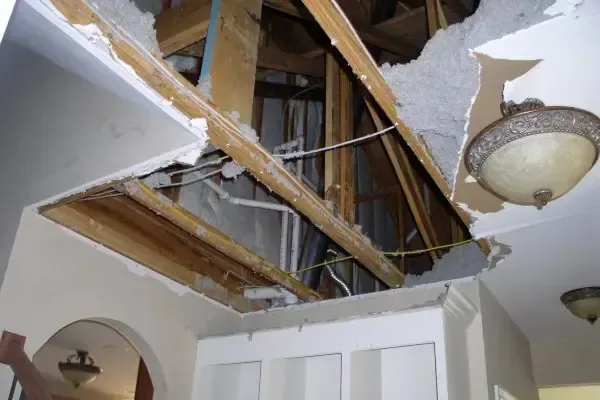
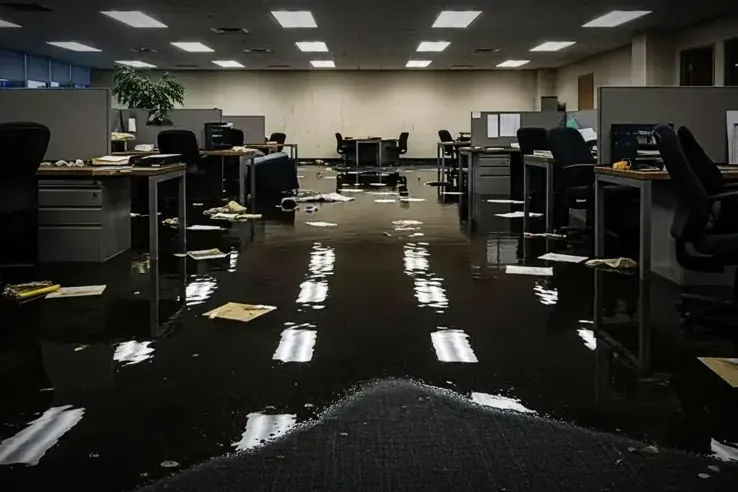
Related water damage services in Joelton
Questions
Structural Drying and Dehumidification questions in Joelton, TN
1Is structural drying the same as running fans?
No. It combines water removal, material access, airflow, dehumidification and repeated measurements. Each element responds to the mapped materials and their changing values.
2Why are readings taken in the same places?
Consistent points show true change and make equipment decisions comparable between visits.
3Do all materials use one dry number?
No. Material type and suitable unaffected comparisons shape the project target.
4When is a controlled opening useful?
Access may be needed when a finish blocks cleaning or moisture movement from a confirmed wet layer.
5Why does equipment move during the project?
Different materials improve at different rates, so the remaining load changes across the footprint.
6Can equipment stop on a scheduled day?
Completion relies on measured material response rather than a preset calendar promise.
7What appears in the drying record?
Initial maps, environmental observations, equipment changes and closing material values explain the process.
24/7 emergency dispatch
Structural Drying and Dehumidification in Joelton? Start the dry-out now.
Water that sits keeps spreading into subfloor, drywall and framing. The restoration crew handles structural drying 24/7 across Joelton.