Lower-level water cleanup
Basement Flooding Cleanup in Pleasant View, TN
A wet lower level needs a source-specific plan. Cleanup distinguishes plumbing water, seepage and outside entry, then measures the floor, wall bases, contents and cavities actually reached before setting removal and drying priorities.
(888) 849-5796Request a lower-level assessment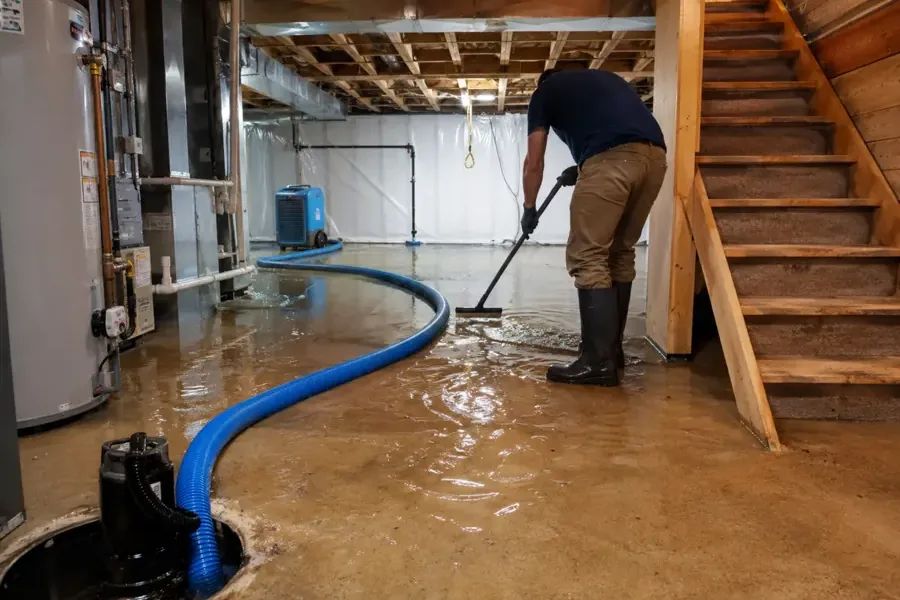
Source check
Plumbing, seepage or runoff
Safety check
Electricity and contamination
Local context
Cheatham County flood maps
Closeout
Floor and wall readings
Do this first
First moves when you find basement flooding cleanup
- Keep the level closed Prevent entry when standing water, electrical equipment or contamination may create a hazard.
- Report the likely source Mention plumbing flow, drain discharge, seepage, runoff, silt or odor.
- Photograph from safe access Capture depth, water lines and affected contents without entering the wet zone.
- Avoid improvised pumping Wait for the source and drainage conditions to be evaluated before removal.
Typical cost ranges
What does basement flooding cleanup cost in Pleasant View, TN?
Cost changes with water depth, contamination, finish coverage, access and the amount of lower-level material requiring removal or monitored drying. Inspection findings define the written scope.
Unfinished basement
$2,000 to $4,500
- Pump-out and extraction
- Floor and wall drying
- Repeat meter readings
Partly finished
$4,500 to $9,000
- Carpet and pad removal
- Selective wall openings
- Cavity moisture control
Fully finished level
$9,000 to $15,000+
- Broad layer removal
- Contamination controls
- Full structural drying
Every loss is priced on its own facts. Run the water damage cost calculator for a planning range before the walkthrough.
The work, step by step
How basement flooding cleanup is handled in Pleasant View, TN
- 1
Secure entry
Evaluate electricity, access and contamination before occupants or equipment enter.
- 2
Document the water line
Record depth, residue, affected finishes and the probable route into the space.
- 3
Extract by zone
Remove liquid while preventing dirty water from crossing into clean areas.
- 4
Verify structural drying
Compare repeat floor and wall readings with appropriate unaffected materials.
A wet lower level needs an inspection of the entry path before equipment is selected. A supply break, drain discharge, groundwater seepage and outdoor runoff can leave similar puddles but require different safety and material decisions. In Pleasant View, the crew records the floor and wall assembly, then follows water through storage areas, thresholds and concealed edges.
Pumping waits for a safe plan
Standing water near electrical components requires restricted access until hazards are addressed. The crew records depth, the suspected origin and any staining or residue before removal. Pumping and extraction then proceed in stages suited to the conditions. If outside water or sewage is involved, clean areas are separated and porous materials receive conservative evaluation.
- Keep occupants and pets away from the lower level
- Do not operate plugged-in equipment in wet areas
- Photograph the water line from a safe position
- Report odors, silt or drain overflow
Document the route into the basement
Cheatham County flood hazard determinations and Flood Insurance Rate Maps support property planning. After water reaches a Pleasant View basement, the crew documents the opening, plumbing fault or drainage route involved. Near Sycamore Creek, this means recording the actual entry marks and affected surfaces, then matching cleanup controls to the water and materials found inside.
Layers are evaluated separately
A bare floor, finished wall, insulation and stored contents do not respond alike. After liquid removal, technicians test lower wall sections and floor assemblies, identify materials that block evaporation and mark retained areas for monitoring. Air movement and dehumidification are arranged around the remaining moisture rather than a standard room count.
Lower-level fact: Water category can change after contact with soil, drains or stored substances. The source and surfaces crossed matter more than whether the space is called a basement.
The record supports the next decision
Pleasant View Village, Old Clarksville Pike and Goodsprings Road can orient dispatch without describing building conditions. The final file ties photographs, removed materials and repeat readings to individual zones. It also separates source correction and finish rebuilding from extraction, cleaning and structural drying.
Basement Flooding Cleanup and local building conditions
Local building layouts and drainage patterns guide the moisture map and equipment plan.
Service area
Basement Flooding Cleanup across Pleasant View and Cheatham County
Lower-level service reaches Pleasant View Village and the named road corridors. Explore sump pump cleanup or the town hub for related options.
Service areas include Cheatham County, Sycamore Creek, Pleasant View Village, Old Clarksville Pike, Goodsprings Road.
All water damage services in Pleasant ViewRelated
Related water damage services in Pleasant View
Questions
Basement Flooding Cleanup questions in Pleasant View, TN
1Does local terrain confirm a basement?
No. The crew checks the building layout directly, including the lower-level entrance, foundation surfaces and rooms reached by water.
2Why identify the water source first?
Plumbing water, sewage and outdoor runoff carry different contamination concerns and material requirements.
3Can pumping start immediately?
Removal begins after electrical hazards, structural access and the discharge plan are considered.
4What information helps identify how water entered?
Water marks, sediment, active leaks and wet thresholds help trace the entry route and identify affected materials.
5What happens to wet wallboard?
Condition, water category and access for drying determine whether controlled removal is needed.
6How are stored items handled?
Contents are grouped by exposure and material so clean items remain separate from affected belongings.
7What documents explain completion?
Photographs, removal notes, moisture maps and final readings show how the lower level was treated. Unaffected contents should stay beyond the controlled path so water, residue and removed material do not cross into clean storage.
24/7 emergency dispatch
Basement Flooding Cleanup in Pleasant View? Start the dry-out now.
Water that sits keeps spreading into subfloor, drywall and framing. The restoration crew handles basement flooding cleanup 24/7 across Pleasant View.