Outside floodwater cleanup
Flash Flood Cleanup in Pleasant View, TN
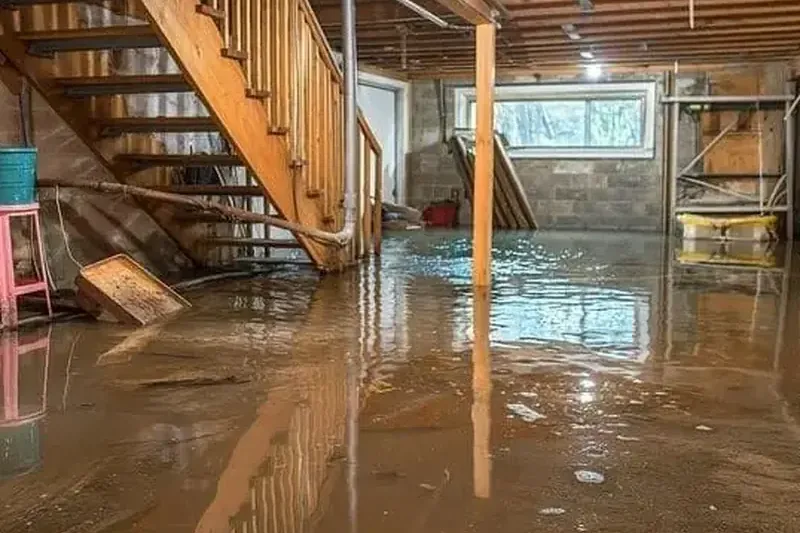
Fast-moving runoff can bring soil and debris through an opening. Cleanup starts with safe access and conservative contamination controls, followed by removal, detailed cleaning and measured structural drying of retained materials.
(888) 849-5796Request floodwater cleanup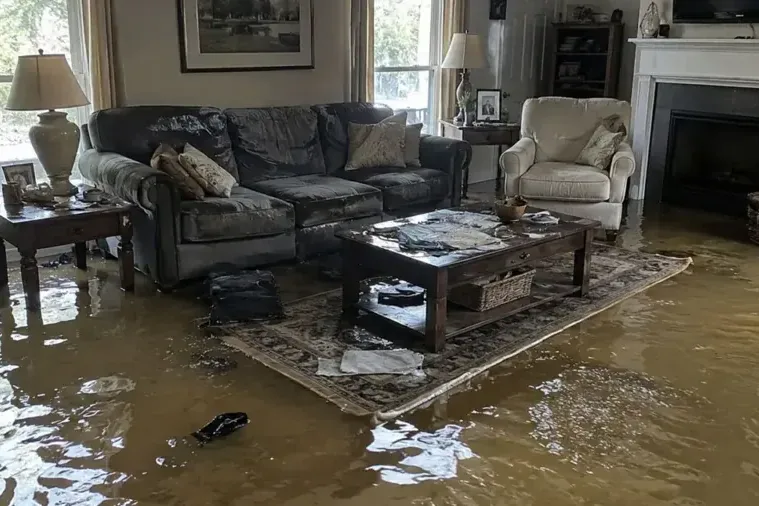
Water type
Outside runoff with debris
First control
Safe entry and isolation
Mapping context
Cheatham County information
Endpoint
Cleaned and measured materials
Do this first
First moves when you find flash flood cleanup
- Wait for safe access Stay away from moving water, electrical hazards and visibly unstable materials.
- Avoid floodwater contact Treat outside water and deposited silt as contaminated until evaluated.
- Photograph the entry route Capture openings, water lines and debris from a safe unaffected location.
- Separate clean belongings Do not carry wet items through unaffected rooms without a controlled path.
Typical cost ranges
What does flash flood cleanup cost in Pleasant View, TN?
Flood cleanup cost follows depth, contaminated area, debris, porous material removal, access and the structural components left for drying. A property survey establishes each documented work requirement.
Low water, one level
$5,000 to $12,000
- Pump-out and silt removal
- Controlled openings
- Cleaning and drying
Lower level
$12,000 to $25,000
- Wall and insulation removal
- Containment and air control
- Structural drying zones
Deep or multi-level
$25,000 to $40,000+
- Broad material removal
- Special dehumidification
- Extended monitoring
Every loss is priced on its own facts. Run the water damage cost calculator for a planning range before the walkthrough.
The work, step by step
How flash flood cleanup is handled in Pleasant View, TN
- 1
Document the entry
Record the opening, water line, debris and rooms reached before disturbing residue.
- 2
Build a clean boundary
Isolate affected areas and establish controlled movement for workers and materials.
- 3
Remove contaminated load
Extract water, collect silt and remove porous components that cannot be restored.
- 4
Measure retained structure
Dry cleanable assemblies and close the project from repeated material values.
Flash flooding is evaluated at the property, not assigned from a townwide label. Cheatham County has final flood hazard determinations, and the associated maps support floodplain and insurance decisions. They do not confirm that every Pleasant View address is exposed. Cleanup evidence comes from the water route, deposited material and building surfaces actually reached.
Entry waits until hazards are checked
Outdoor water may conceal sharp debris, damaged flooring, electrical danger and contamination. Occupants should remain outside an affected interior until access is assessed. The first documentation captures the water line, entry opening, silt and impacted contents before removal changes the scene.
- Do not walk through moving water
- Keep children and pets outside the work zone
- Avoid contact with silt and saturated contents
- Photograph the entry route from safety
Removal proceeds from dirty to clean
Pumping and extraction reduce liquid, but flood cleanup also manages deposited soil and porous material. Crews establish controlled paths so residue does not travel into unaffected rooms. Items that cannot be reliably cleaned are separated. Durable surfaces receive detailed cleaning after bulk debris is removed, with each decision recorded by room.
Record the flood entry and wet boundary
Sycamore Creek supplies local drinking water, and Pleasant View Community Park serves the community. A flood assessment still starts at the affected building and its entry points. Conditions near Old Clarksville Pike or Oaklawn Road still require direct observation of grade, openings and indoor spread. Restoration records should state only what the inspection establishes.
Floodwater fact: Water that crosses outdoor surfaces can collect contaminants along its path, so porous materials may require different handling than those touched by a recent supply leak.
Structural drying follows cleaning
After contaminated material and residue are addressed, technicians measure the remaining structural components. Airflow and dehumidification are directed to surfaces suitable for drying. Repeated readings at the same points show progress. The final record separates flood cleanup, source or exterior correction and later rebuilding into understandable scopes.
Flash Flood Cleanup and local building conditions
Local building layouts and drainage patterns guide the moisture map and equipment plan.
Service area
Flash Flood Cleanup across Pleasant View and Cheatham County
Flash flood cleanup covers Pleasant View Community Park, Old Clarksville Pike and Oaklawn Road areas. Compare storm cleanup or visit the local service hub.
Service areas include Cheatham County, Sycamore Creek, Pleasant View Community Park, Old Clarksville Pike, Oaklawn Road.
All water damage services in Pleasant ViewRelated
Related water damage services in Pleasant View


Questions
Flash Flood Cleanup questions in Pleasant View, TN
1Do flood maps prove a property flooded?
No. They support floodplain decisions, while the entry route and onsite condition establish an individual loss.
2Why is outside water handled conservatively?
Runoff can collect soil, waste and other contaminants before crossing into the building.
3Can wet carpet stay after a flash flood?
Porous material exposed to contaminated outside water often cannot be reliably restored.
4When does drying equipment start?
Structural drying follows safe removal of liquid, debris and materials that block cleaning or evaporation.
5What should occupants photograph?
From safety, capture the entry opening, water line, silt, affected contents and adjacent rooms.
6How is hidden spread checked?
Technicians test lower walls, floor layers and connected spaces after surface water is removed.
7What belongs in final records?
The file should show the initial condition, removals, cleaning actions, drying readings and remaining repair needs. Separate clean and dirty routes reduce the chance that shoes, tools or removed material carry flood residue into unaffected rooms.
24/7 emergency dispatch
Flash Flood Cleanup in Pleasant View? Start the dry-out now.
Water that sits keeps spreading into subfloor, drywall and framing. The restoration crew handles flash flood cleanup 24/7 across Pleasant View.