Contaminated water containment
Sewage Backup Cleanup in Springfield, TN
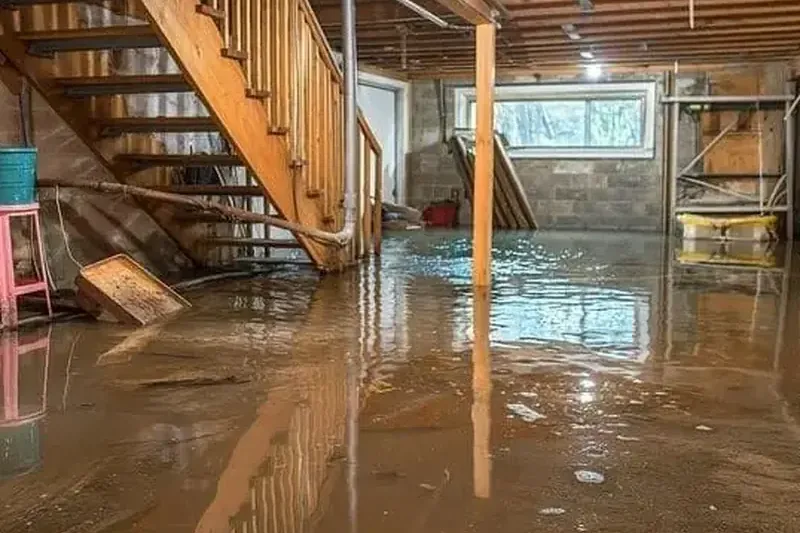
A drain or toilet backup changes the safety rules for an entire affected area. Restoration begins by limiting access and tracking, then removes contaminated liquids and porous materials before retained structural surfaces are cleaned, dried and documented.
(888) 849-5796Request contained sewage cleanup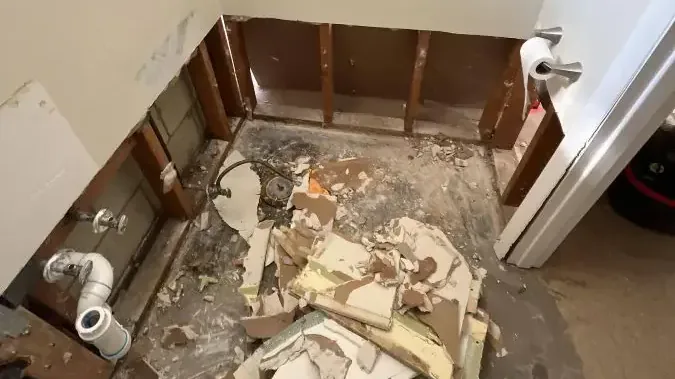
Access rule
Keep people and animals out
Material rule
Separate porous and durable surfaces
Utility fact
City wastewater service
Finish evidence
Cleaning and moisture records
Do this first
First moves when you find sewage backup cleanup
- Close off the room Keep occupants and animals outside every area touched by wastewater or tracked residue.
- Stop fixture use Avoid flushing toilets or running drains that may feed the active backup.
- Skip household fans Do not blow air across sewage before contaminated material has been removed and cleaned.
- Preserve clear evidence Photograph the source and water edge from a safe, uncontaminated position.
Typical cost ranges
What does sewage backup cleanup cost in Springfield, TN?
Sewage cleanup pricing reflects area, depth, porous materials, content handling and containment needs. Plumbing repair and municipal investigation remain outside the documented property restoration and drying scope.
Small hard-surface area
$400 to $1,200
- Limited contact
- Durable finishes
- Direct access
Finished room backup
$1,200 to $3,000
- Porous removal
- Content decisions
- Wall cleaning
Multiple contaminated rooms
$3,000 to $5,000+
- Several zones
- Extensive disposal
- Detailed records
Every loss is priced on its own facts. Run the water damage cost calculator for a planning range before the walkthrough.
The work, step by step
How sewage backup cleanup is handled in Springfield, TN
- 1
Define contaminated space
Mark direct water contact and routes where residue may have been tracked.
- 2
Remove sewage and debris
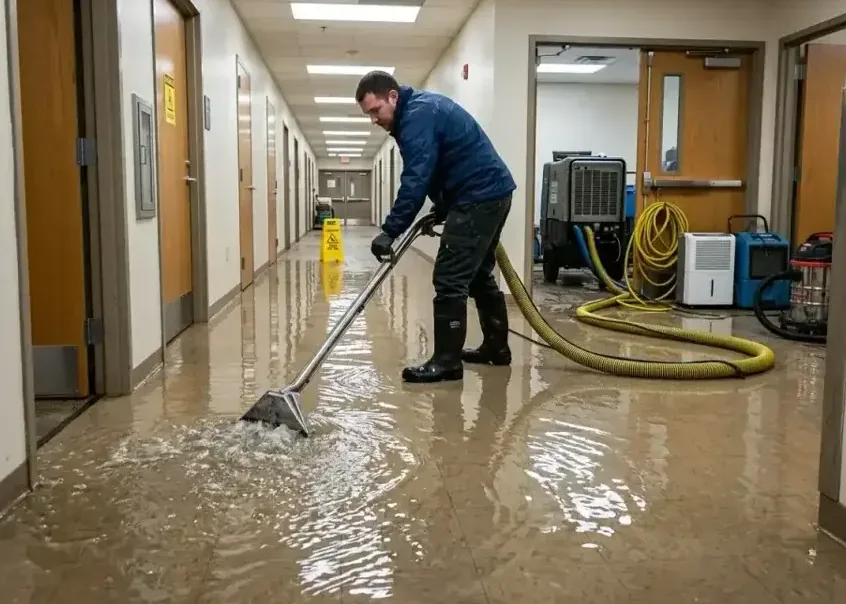
Extract liquid and contain porous waste using controlled handling procedures.
- 3
Clean durable assemblies
Physically treat retained structure after gross contamination is eliminated.
- 4
Establish a dry finish
Run approved drying equipment and record final material measurements.
Sewage can spread residue through shoes, tools and contents. Work areas need controlled access while the source is investigated and affected materials are assessed. The City of Springfield provides wastewater service. At a backup near Tom Austin Highway or in Stonegate, the drain findings identify the source problem, while the restoration survey follows the discharge through the building.
Containment protects unaffected rooms
The affected area is closed to unnecessary traffic. Technicians establish entry procedures, protective equipment and a controlled path for waste. Initial photographs show the source point, water edge and items contacted before removal changes the room. Plumbing diagnosis remains separate from the restoration record.
- Keep children and animals completely away
- Do not use fans across contaminated water
- Avoid flushing or running connected fixtures
- Leave wet porous contents in place for documentation
Absorbent and durable materials differ
Carpet pad, saturated gypsum and some soft contents can hold waste throughout their depth. They may not be practically cleanable and are evaluated for controlled removal. Framing, concrete and other durable surfaces may remain when their condition permits thorough cleaning. The boundary follows contact evidence, not odor alone.
Cleaning occurs before active drying
Bulk sewage and unsalvageable material leave first. Retained surfaces are physically cleaned with appropriate methods before air movement is considered. Dehumidification and directed airflow then address moisture in approved assemblies. Monitoring distinguishes a sanitized-looking surface from structure that is actually dry.
Local utility context: Springfield is building a replacement wastewater treatment plant. The project does not indicate that the existing facility caused a household backup or neighborhood problem.
The file avoids unsupported conclusions
Memorial Boulevard, Tom Austin Highway and Stonegate help describe location. Cause findings come from the building's drain and plumbing evaluation. Closeout records list removed material, cleaning steps, equipment operation and final readings without assigning fault to a municipal project.
Sewage Backup Cleanup and local building conditions
Local building layouts and drainage patterns guide the moisture map and equipment plan.
Service area
Sewage Backup Cleanup across Springfield and Robertson County
Sewage cleanup is available around Tom Austin Highway, Memorial Boulevard and Stonegate. See water extraction or the Springfield hub for connected services.
Service areas include Tom Austin Highway, Memorial Boulevard, Stonegate, City of Springfield.
All water damage services in SpringfieldRelated
Related water damage services in Springfield

Questions
Sewage Backup Cleanup questions in Springfield, TN
1Can occupants clean a small backup themselves?
Wastewater carries health risks, so access should remain restricted and professional assessment is appropriate.
2Should fans be started immediately?
No. Air movement can spread contamination before removal and surface cleaning are complete.
3Does the city plant project explain a backup?
The plant project alone cannot explain a backup; the affected drain requires its own source investigation.
4What porous materials may need removal?
Saturated carpet pad, gypsum, insulation and soft contents may not be thoroughly cleanable through their depth.
5Can framing remain?
Durable structure may stay when its condition allows complete cleaning and controlled drying.
6How is cross-contamination limited?
Defined entry paths, protective procedures and sealed waste handling keep residue inside the work zone.
7What documentation is provided?
Source photographs, removed-material notes, cleaning records and moisture readings describe the completed service. What should occupants report without entering? Share the backup fixture, rooms contacted, visible solids, odor, drain use and whether wastewater is still actively rising.
24/7 emergency dispatch
Sewage Backup Cleanup in Springfield? Start the dry-out now.
Water that sits keeps spreading into subfloor, drywall and framing. The restoration crew handles sewage backup cleanup 24/7 across Springfield.