Outside floodwater cleanup in Coopertown
Flash Flood Cleanup in Coopertown, TN
Fast surface water can carry soil, roadway residue and organic matter indoors. Crews isolate the wet area, photograph deposits and remove contaminated water before cleaning the structure. Entry marks help explain the source and contamination path.
(888) 849-5796Request floodwater assessment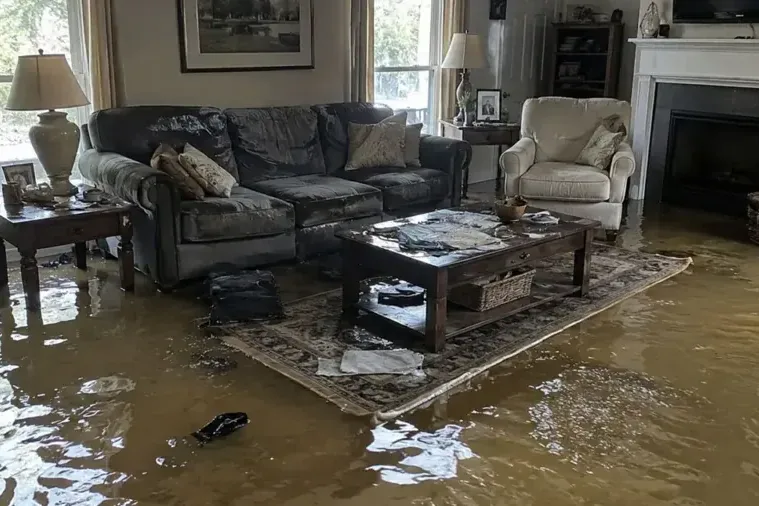
Water type
Outdoor surface water
Main concern
Soil and unknown contaminants
Early work
Isolation and bulk removal
Local boundary
I-24 service area
Do this first
First moves when you find flash flood cleanup
- Keep away from floodwater Treat outdoor water as contaminated and prevent children or pets from entering the affected area.
- Turn off power safely Use only a dry, accessible disconnect and avoid equipment located inside the wet zone.
- Photograph residue patterns Capture entry points, silt lines and contacted contents before bulk removal changes them.
- Protect unaffected rooms Close interior doors and avoid moving wet porous items through clean parts of the building.
Typical cost ranges
What does flash flood cleanup cost in Coopertown, TN?
Flood cleanup cost follows water depth, contaminated area, debris, porous material removal and structural drying access. The estimate should identify cleaning and disposal tasks separately. in writing.
Low water, one level
$5,000 to $12,000
- Limited entry zone
- Bulk liquid removal
- Hard-surface cleaning
Full lower level
$12,000 to $25,000
- Several rooms reached
- Porous item decisions
- Multiple drying sections
Deep or multi-level
$25,000 to $40,000+
- Heavy residue present
- Containment and disposal
- Detailed treatment records
Every loss is priced on its own facts. Run the water damage cost calculator for a planning range before the walkthrough.
The work, step by step
How flash flood cleanup is handled in Coopertown, TN
- 1
Establish containment
Separate the affected rooms before tools or foot traffic can spread outside residue.
- 2
Remove water and silt
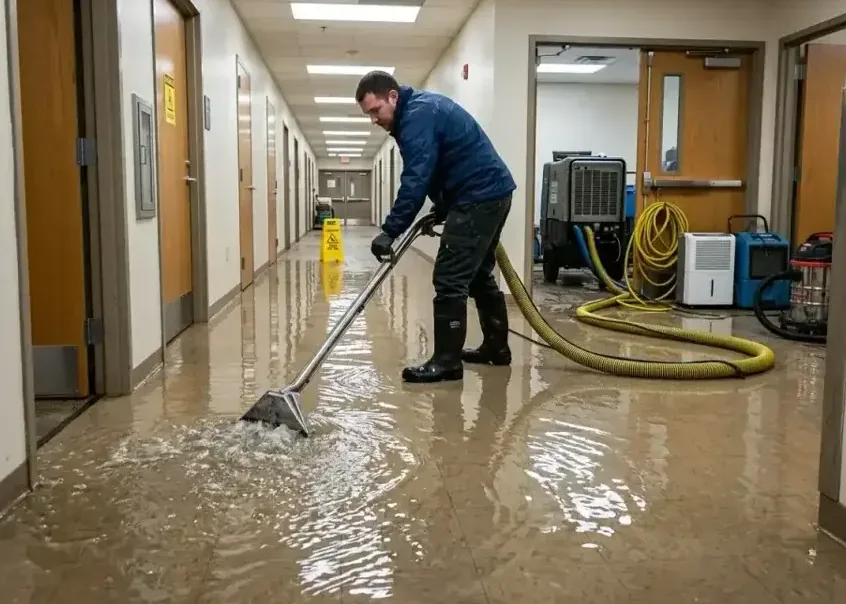
Collect liquid and settled debris with methods suited to depth and surface type.
- 3
Clean retained structure
Treat hard materials after contaminated absorbent finishes have been taken from the work zone.
- 4
Dry from mapped points
Monitor wall bases, floors and cavities until the clean structure meets target.
Outdoor water entering a building near I-24 is approached as a contaminated loss because its path may include soil, pavement and debris. The first record captures entry points, visible silt and rooms reached. At a Coopertown property, the assessment follows the water from the outdoor entry point through each room, including wall bases and floor seams where liquid can collect.
Isolation comes before aggressive air movement
Doors between affected and clean rooms are controlled, and occupants stay out of the wet zone. Fans are not aimed across dirty water before bulk material is removed. Technicians select protective equipment according to direct exposure and keep tools from tracking residue into dry areas. Photographs document deposits on floors, walls and contents before cleaning begins.
Silt changes the removal sequence
Pumps or extractors reduce liquid, then settled material is collected without grinding it into porous finishes. Absorbent items that cannot be safely cleaned are separated from hard structural surfaces. Burgess Gower Road and Highway 49 provide location context for dispatch only. They do not support a claim that nearby properties flooded or share a drainage condition.
- Avoid direct skin contact with outside water
- Keep children and pets beyond containment
- Do not carry wet rugs through clean rooms
- Preserve photographs of debris and entry points
Cleaning precedes the drying calculation
After removal, remaining structural surfaces receive cleaning appropriate to the contamination found. The moisture map then follows water into wall bases, flooring layers and cavities. Air movement begins when it can operate without spreading residue. Dehumidification is adjusted to the wet material load, while daily readings show whether inaccessible areas need further evaluation.
Floodwater fact: After sediment is removed, moisture testing continues inside affected wall and floor layers. Those measurements determine equipment placement and identify damp edges hidden by the cleaned surface.
A clear record of completed flood cleanup
The record lists the outside entry path observed, contaminated items removed, hard surfaces treated and monitoring points used. Final measurements are tied to an unaffected comparison. Near Coopertown Middle School, the property record should connect each removal decision with photographs of the surfaces reached by outside water. Exterior correction remains separate from indoor restoration.
Flash Flood Cleanup and local building conditions
Local building layouts and drainage patterns guide the moisture map and equipment plan.
Service area
Flash Flood Cleanup across Coopertown and Robertson County
Coverage includes I-24, Highway 49 and Burgess Gower Road, including the areas around both town schools. Storm cleanup traces rain entry, and structural drying tracks moisture remaining after water removal.
Service areas include Burgess Gower Road, Highway 49, I-24, Coopertown Elementary School, Coopertown Middle School.
All water damage services in CoopertownRelated
Related water damage services in Coopertown


Questions
Flash Flood Cleanup questions in Coopertown, TN
1Why is outside floodwater treated cautiously?
It may cross soil, pavement, waste or other contamination before entering the building.
2Can fans run during the first cleanup?
Air movement waits until loose contaminated material is controlled so residue is not spread.
3What happens to soaked carpet pad?
Contamination and the ability to clean the material determine whether it must be removed.
4How is hidden water found afterward?
Meters trace the cleaned wet boundary through floors, wall bases and accessible cavities.
5How is the floodwater source established?
Technicians examine entry points, sediment and water marks to establish how outside water reached the building.
6What belongs in the cleanup record?
Entry photographs, residue notes, removed materials, treatment steps and final readings support the closeout.
7Which places define service coverage?
Coverage includes I-24, Highway 49 and Burgess Gower Road. The property contact can name a nearby school and describe the entrance when arranging an inspection of the wet rooms.
24/7 emergency dispatch
Flash Flood Cleanup in Coopertown? Start the dry-out now.
Water that sits keeps spreading into subfloor, drywall and framing. The restoration crew handles flash flood cleanup 24/7 across Coopertown.