Floodwater cleanup properties
Flash Flood Cleanup in Portland, TN
Fast-rising outdoor water can leave sediment across floors and contamination inside porous finishes. The response begins with safe entry, documents the high-water path and removes materials that cannot be reliably cleaned.
(888) 849-5796Request flood cleanup assessment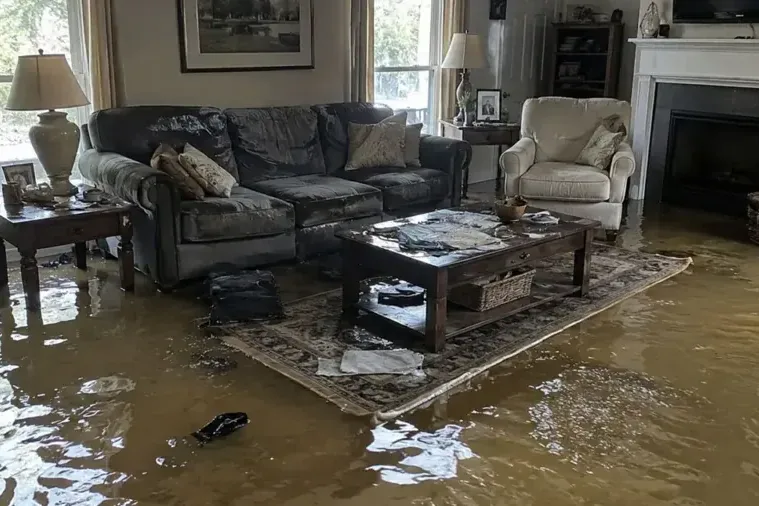
Water class
Contaminated outdoor entry
First record
High-water mark and debris
Documented event
May 2017
Finish
Clean, measured assemblies
Do this first
First moves when you find flash flood cleanup
- Wait for clearance Flooded rooms remain off limits while moving water, structural instability or electrical exposure prevents safe entry.
- Avoid direct contact People and pets should stay outside areas containing runoff residue, sediment and water-soaked belongings.
- Capture the water line High-water marks on durable surfaces should be photographed safely before washing or debris removal changes them.
- Create separate routes A clean entry path and protected waste route reduce the transfer of sediment into unaffected rooms.
Typical cost ranges
What does flash flood cleanup cost in Portland, TN?
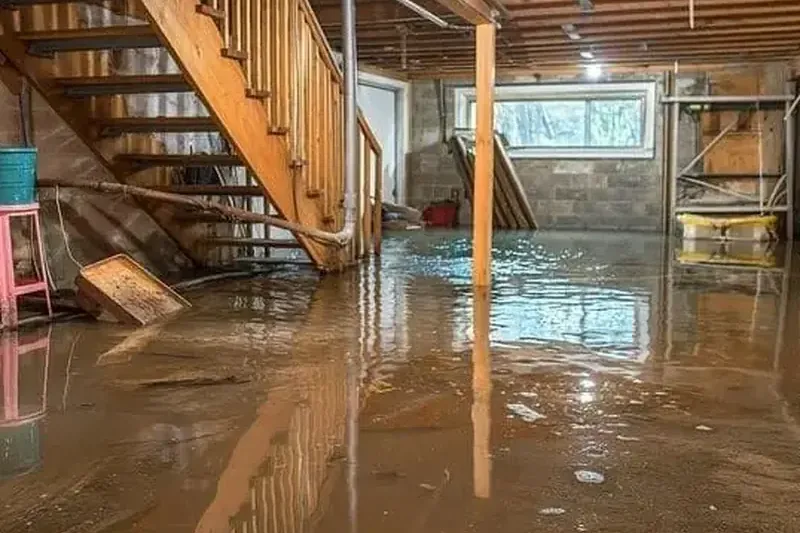
Even shallow flooding can require extensive cleaning when sediment reaches porous finishes. The estimate identifies extraction, disposal, contents handling and removal, followed by structural drying. Restricted access may change equipment and labor requirements.
Shallow one-level entry
$5,000 to $12,000
- Bulk extraction
- Sediment removal
- Limited finish removal
Full lower level
$12,000 to $25,000
- Controlled demolition
- Detailed cleaning
- Large drying zone
Deep multi-level loss
$25,000 to $40,000+
- Complex access
- Extensive materials
- Longer monitoring
Every loss is priced on its own facts. Run the water damage cost calculator for a planning range before the walkthrough.
The work, step by step
How flash flood cleanup is handled in Portland, TN
- 1
Document the exposure
Record flood height, debris and contacted materials from safety before cleanup disturbs them.
- 2
Build containment
Set entry controls and a waste route that separate contaminated material movement from clean circulation.
- 3
Clean or remove
Evaluate porous finishes against their exposure while physically removing sediment from durable surfaces that can remain.
- 4
Measure the structure
Begin controlled drying after residue removal, then follow retained moisture through each accessible structural layer.
Portland has a documented flash flood from May 2017, when the National Weather Service reported unusually heavy rain. That history supports preparedness, not a claim about a current building. At the property, technicians first identify safe entry, photograph the water line and note sediment, odors and affected utilities before removal changes the scene.
Outdoor water receives contaminated handling
Runoff may cross soil, pavement and waste before entering. Clean pathways and affected zones are kept apart, with protective controls matched to the water and materials involved. Bulk liquid and loose debris are removed before detailed cleaning. Near Main Street, the inspection follows threshold marks, sediment and wet lower walls to record how water entered and spread through the property.
- Wait for safe access before entering
- Avoid contact with silt and flood residue
- Photograph water marks on durable surfaces
- Do not carry wet contents through clean rooms
Porous material may not be recoverable
Carpet pad, insulation and gypsum can hold contaminated water where complete cleaning is impractical. Removal boundaries follow water marks, measurements and construction joints. Durable materials receive physical soil removal and appropriate cleaning before the drying system is arranged.
Local record: The reported 2017 event brought up to seven inches of rain within a few hours. After a rapid rise, photographs of entry marks and affected rooms help preserve the water path before cleanup begins.
Drying begins after soil is removed
Air movement should not spread loose contamination. Once affected material is removed and surfaces are cleaned, dehumidification and controlled airflow address retained moisture. Fountain Head and Portland Lake Road help describe coverage, while repeat readings establish the actual completion point.
Durable belongings and fixed surfaces are evaluated only after gross soil is removed, since residue can hide scratches, swelling or staining. Waste containers follow the affected route rather than clean traffic lanes. The final map identifies what was discarded, what was cleaned and what structural material remained for drying.
Flash Flood Cleanup and local building conditions
Local building layouts and drainage patterns guide the moisture map and equipment plan.
Service area
Flash Flood Cleanup across Portland and Sumner County
Coverage includes the Highland Rim, Main Street and Fountain Head. See storm water cleanup or the service hub. Flood history never replaces onsite classification.
Service areas include Highland Rim, Main Street, Fountain Head, Portland Lake Road.
All water damage services in PortlandRelated
Related water damage services in Portland


Questions
Flash Flood Cleanup questions in Portland, TN
1Is outdoor floodwater contaminated?
It is treated as grossly contaminated because its contact path cannot be reliably controlled.
2What evidence is useful?
Photographs of water lines, sediment, rooms and contents preserve the first observable condition.
3Can carpet remain?
Porous flooring exposed to floodwater often cannot be cleaned reliably and requires evaluation.
4When do air movers start?
Airflow begins after loose contamination and unsalvageable materials have been safely addressed.
5Does the 2017 event prove current flooding?
No. It documents local history only, not conditions or status at another property.
6How are walls opened?
Removal follows contamination, visible marks, measurements and access needs rather than an arbitrary height.
7What proves completion?
Cleaned surfaces, documented material decisions and stable moisture readings support closeout. Photographs and room notes identify sediment, displaced contents and removed porous materials. The record connects each disposal decision to contamination or physical condition found onsite. The disposal trail remains linked to the contaminated rooms where debris originated.
24/7 emergency dispatch
Flash Flood Cleanup in Portland? Start the dry-out now.
Water that sits keeps spreading into subfloor, drywall and framing. The restoration crew handles flash flood cleanup 24/7 across Portland.