Portland, TN · Sumner County
Water Damage Restoration Portland, TN
Portland spans Sumner and Robertson counties and experienced flash flooding in May 2017. Cleanup begins with safe access and source identification, followed by water removal and moisture checks beneath the visible surface.
(888) 849-5796Arrange a property damage assessment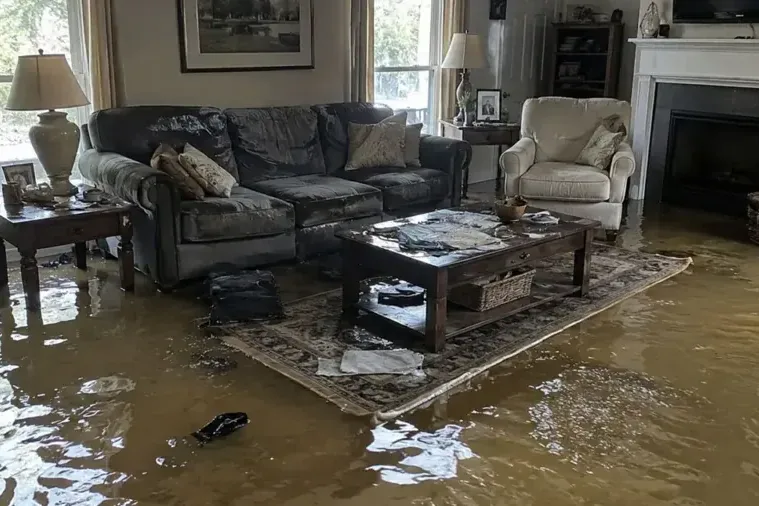
Services
Water damage services available in Portland
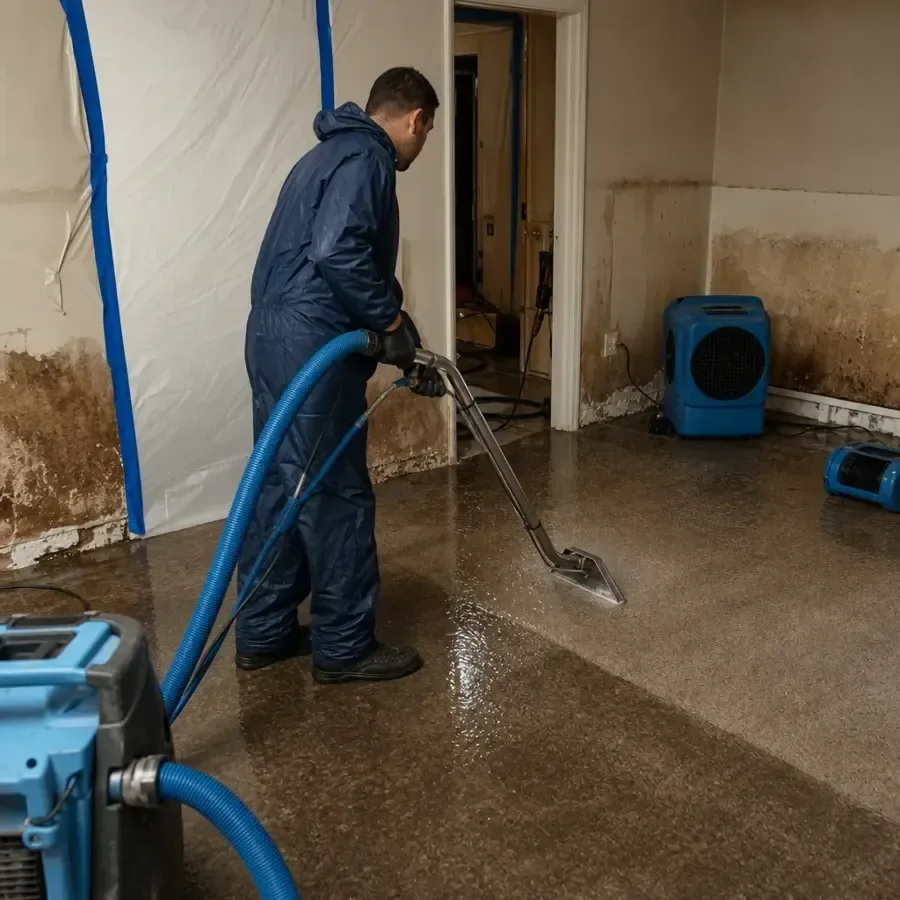
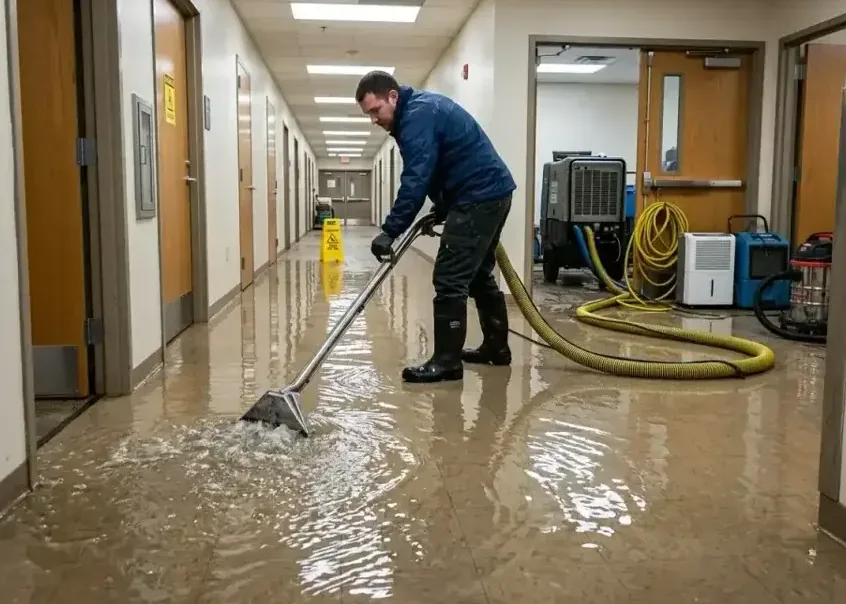 Water Extraction & RemovalStanding water is removed first, then readings identify damp flooring, wall bases and connected rooms that still require drying.View Portland service
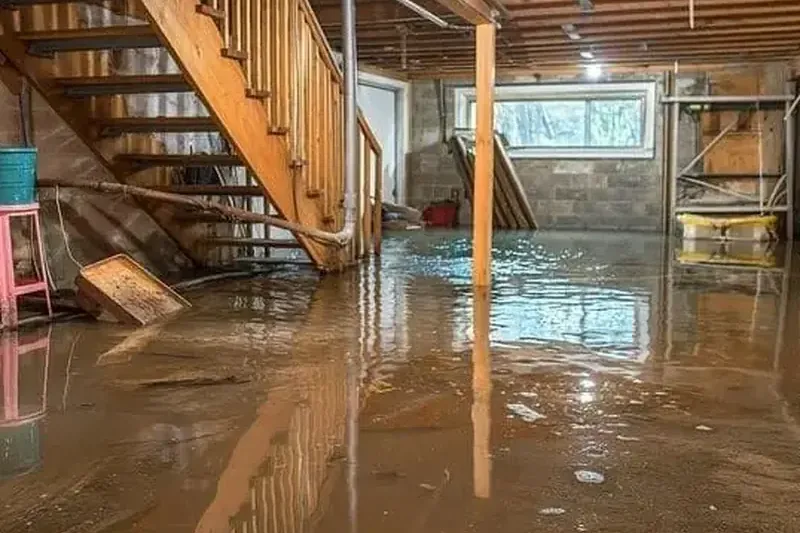 Basement Flooding CleanupLower-level cleanup separates the entry source from the water path before absorbent finishes and cavities receive a measured plan.View Portland service
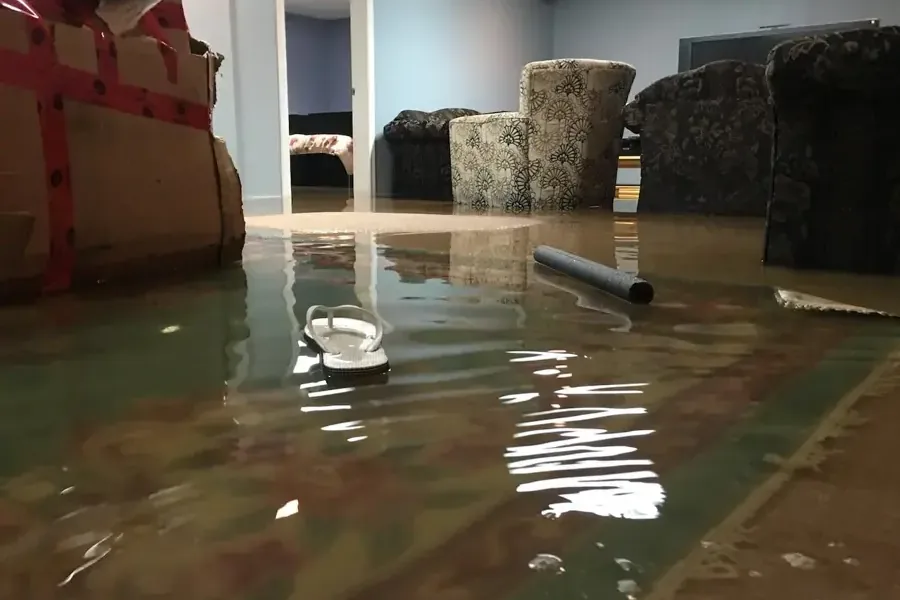 Sump Pump Failure CleanupA failed or overwhelmed sump calls for safe pumping, contamination assessment and inspection beyond the visible basement water edge.View Portland service
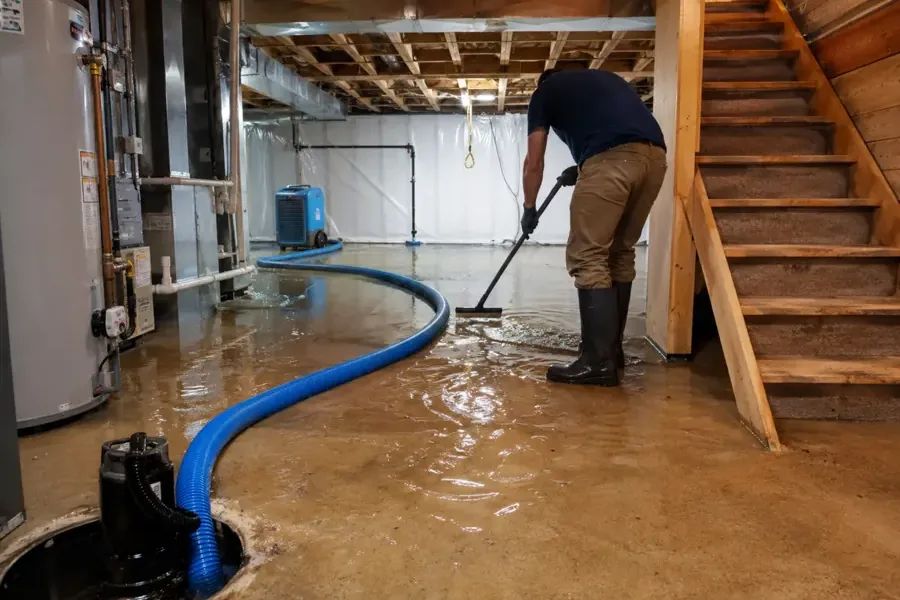 Flash Flood CleanupOutdoor floodwater requires controlled access, sediment removal and careful decisions about porous materials touched by contaminated runoff.View Portland service
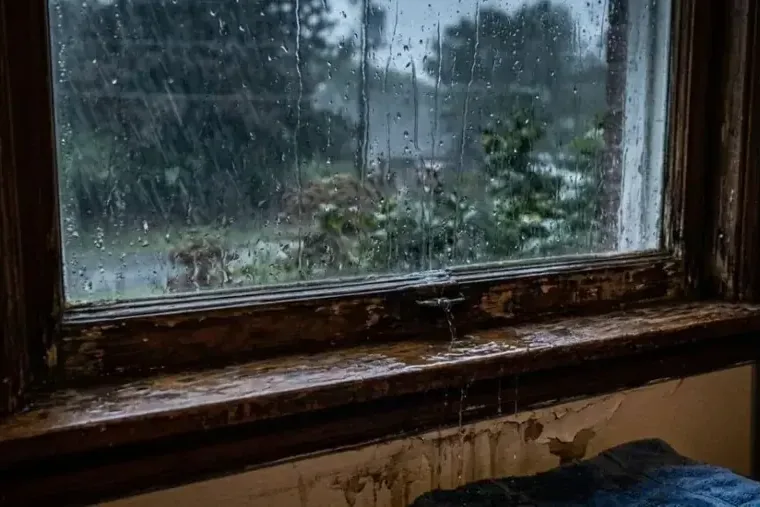 Storm Water DamageWind-driven rain and ground entry are traced separately so roof, wall and floor assemblies receive the correct response.View Portland service
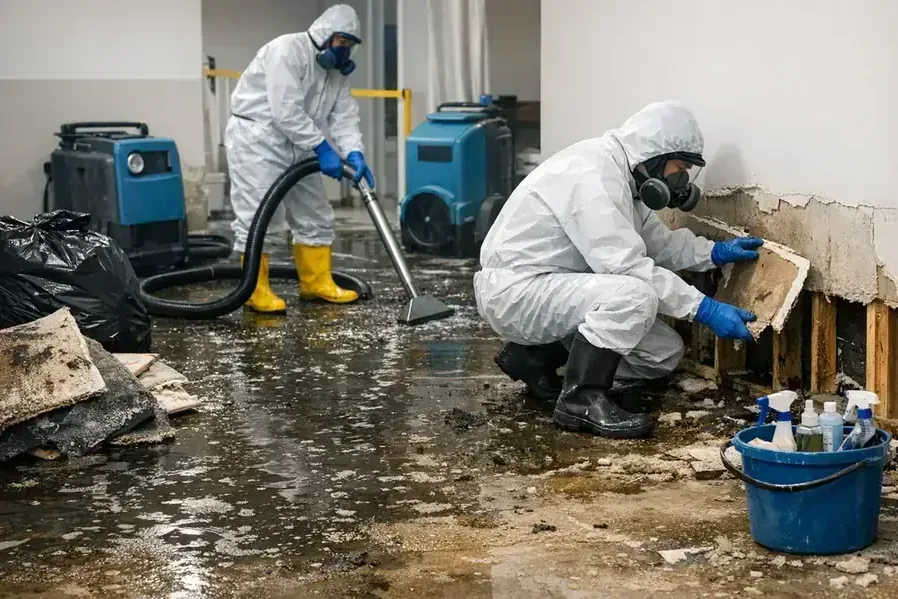 Sewage Backup CleanupWastewater is isolated from clean areas while affected absorbent materials, residue and moisture are addressed under Category 3 controls.View Portland service
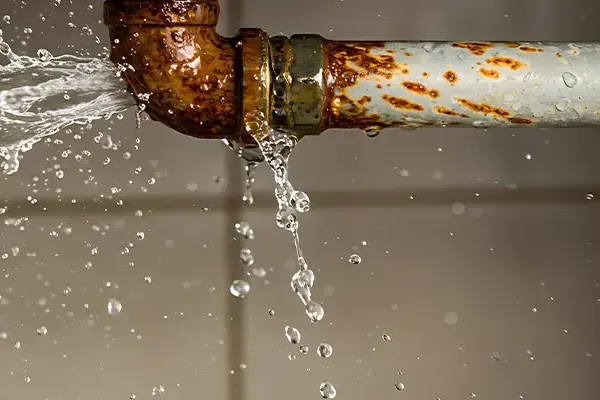 Burst Pipe CleanupAfter plumbing is secured, extraction follows pressurized water into wall cavities, flooring seams and any level below the break.View Portland service
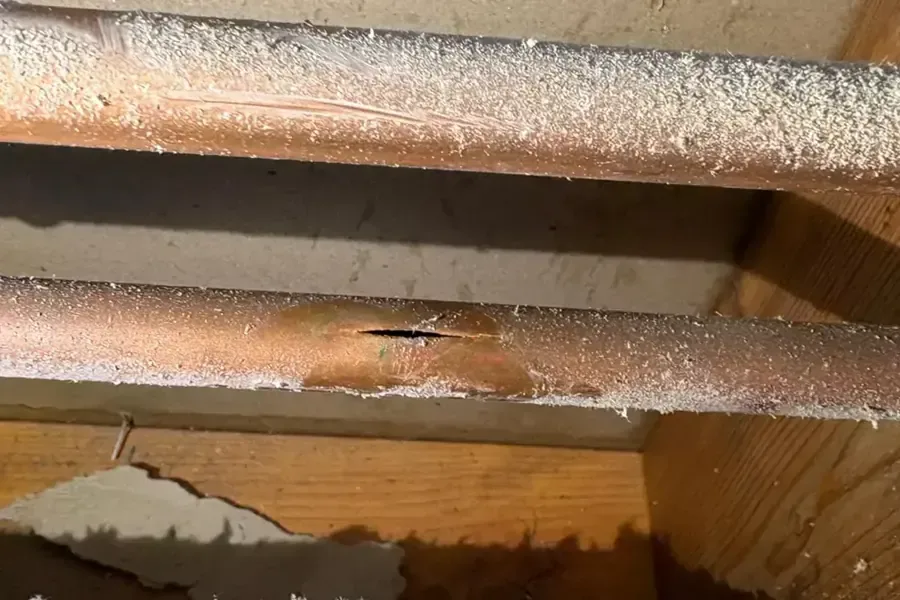 Frozen Pipe CleanupFreeze-related splits may release water during thawing, making source repair, cavity checks and recorded drying equally important.View Portland service
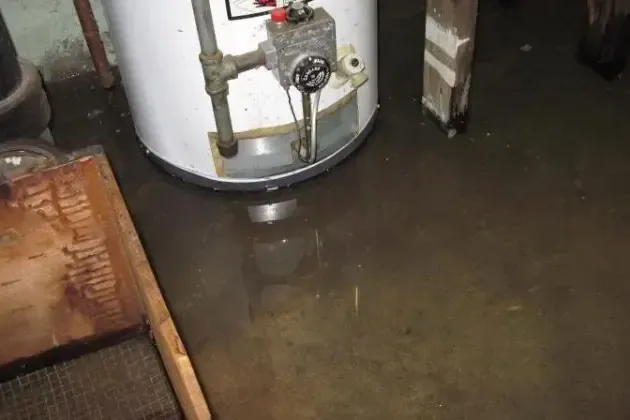 Water Heater Leak CleanupTank and fitting leaks can spread from utility spaces into nearby finishes, where meters clarify the actual cleanup boundary.View Portland service
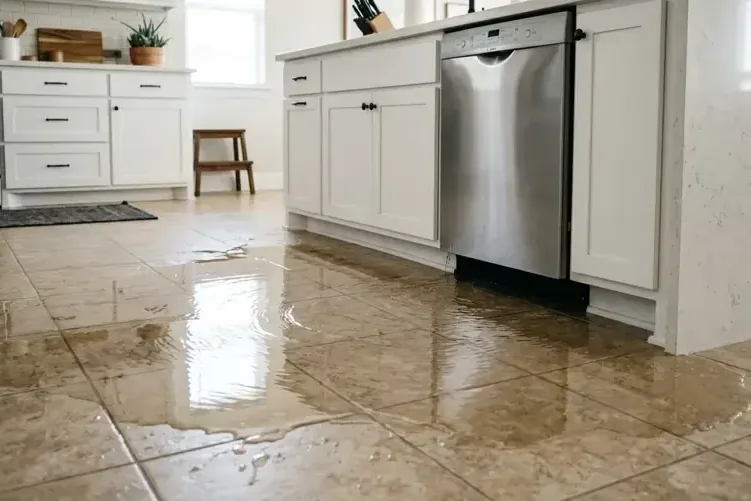 Washer & Appliance Leak CleanupWasher, dishwasher and refrigerator releases are checked beneath cabinets and flooring instead of judging damage by the surface puddle.View Portland service
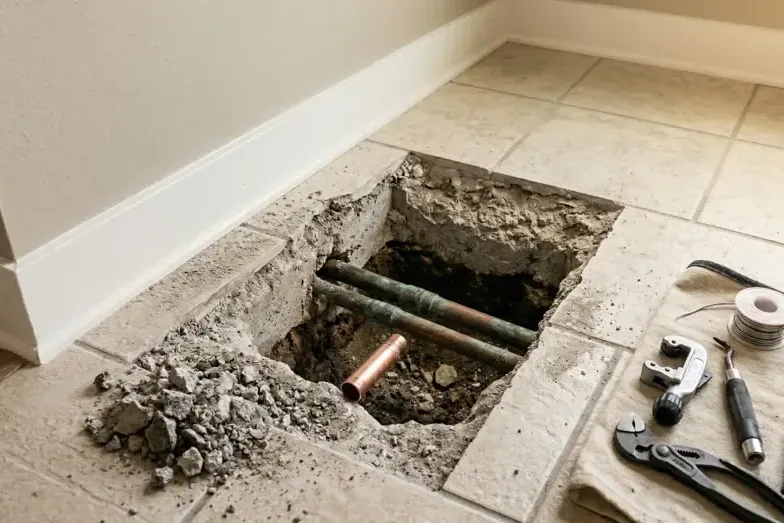 Slab Leak Water DamageSuspected water below a slab is mapped across floor finishes and wall bases before any targeted opening is considered.View Portland service
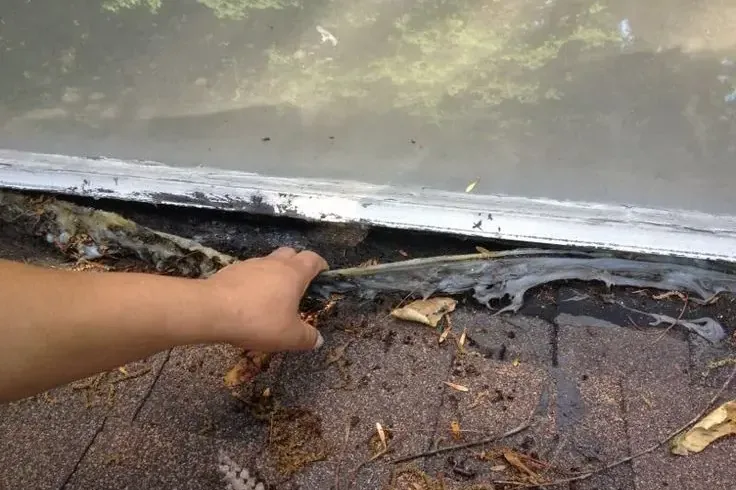 Roof Leak Water DamageRain entry is followed from the roof-side source through insulation and ceiling materials without assuming where the wet path ends.View Portland service
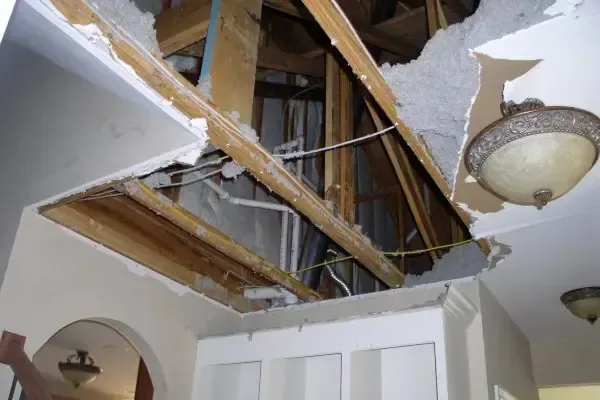 Ceiling Leak Water DamageA ceiling stain prompts safe overhead inspection, source confirmation and testing of the cavity and surrounding finish layers.View Portland service
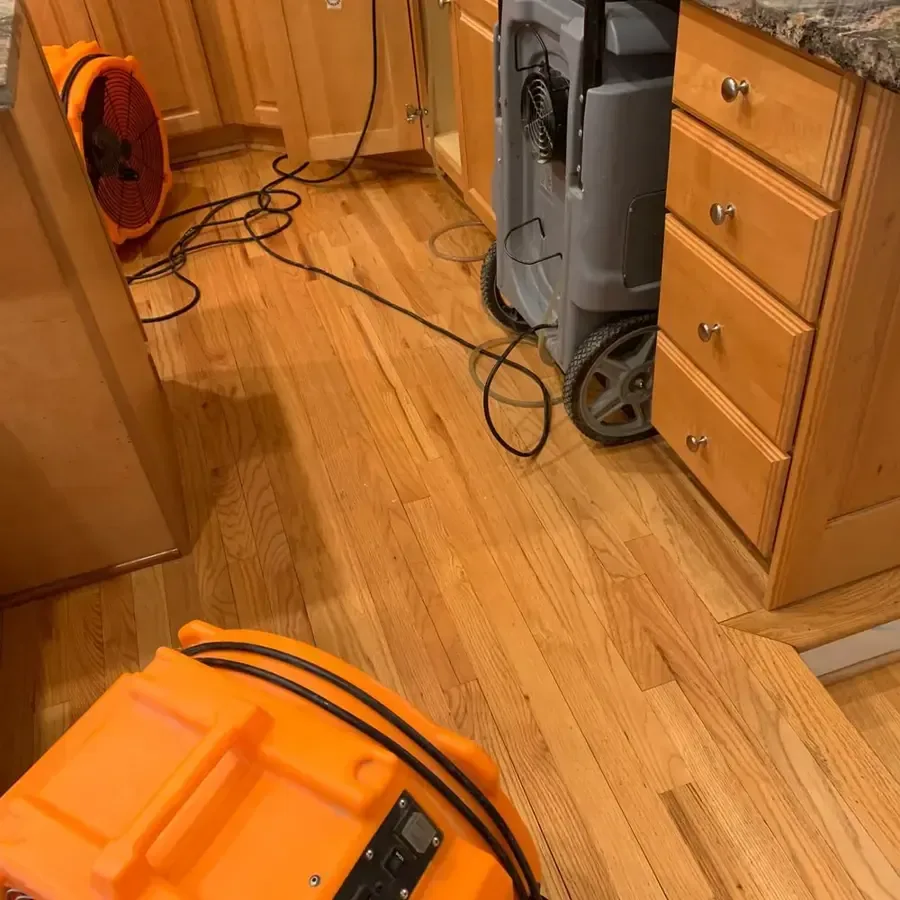
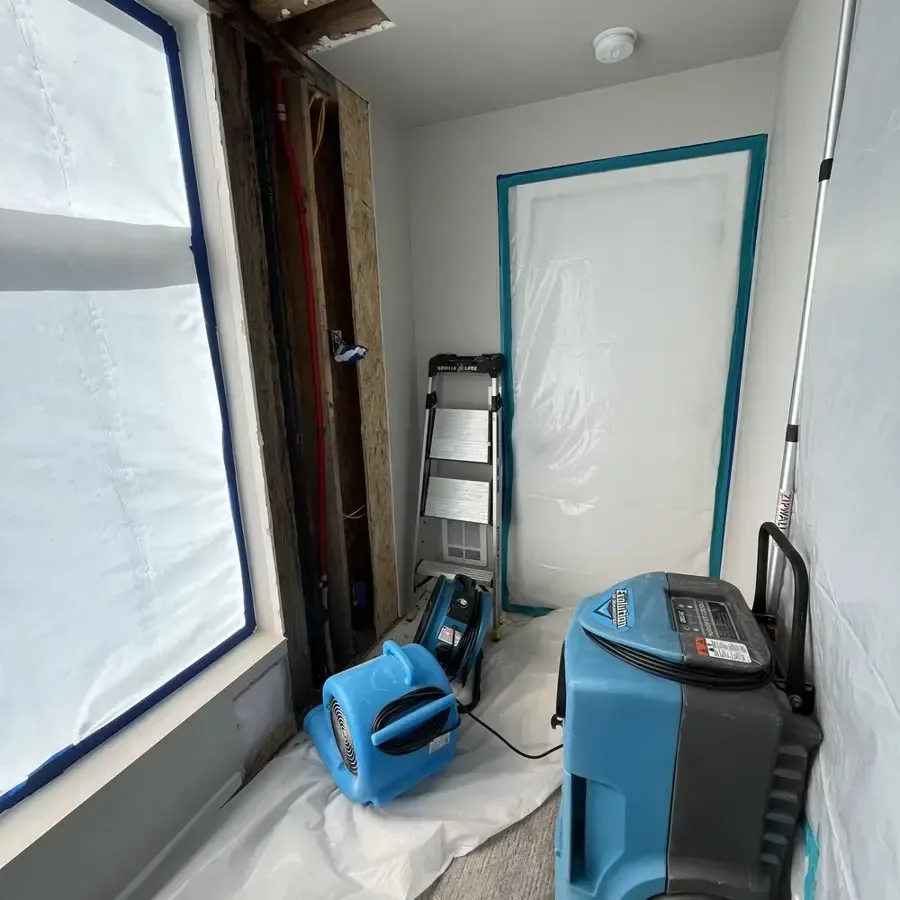
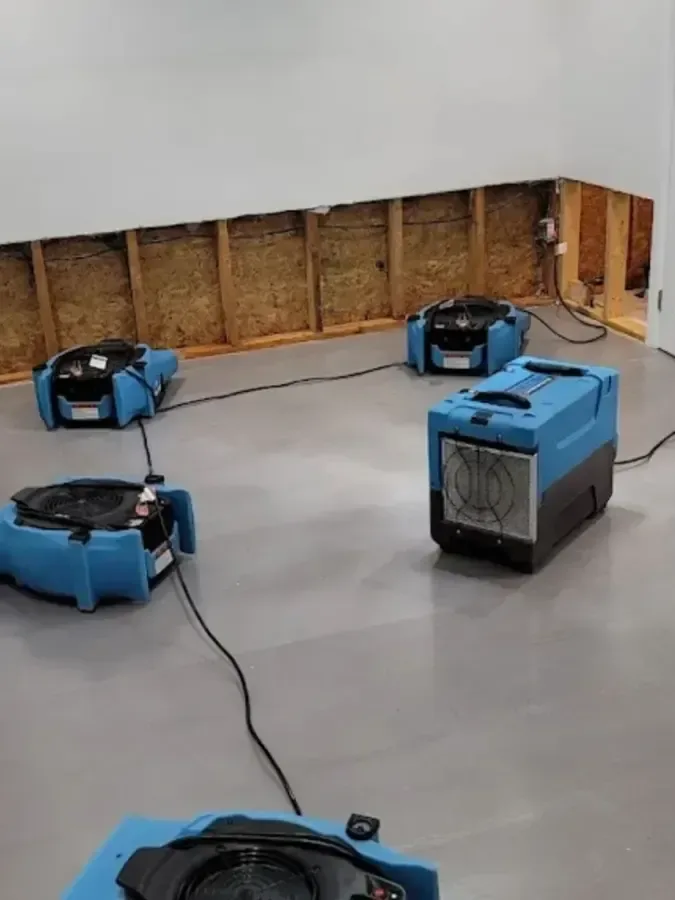
 Structural Drying & DehumidificationAir movement and dehumidification are adjusted from repeated material values, with stable readings supporting the final equipment decision.View Portland service
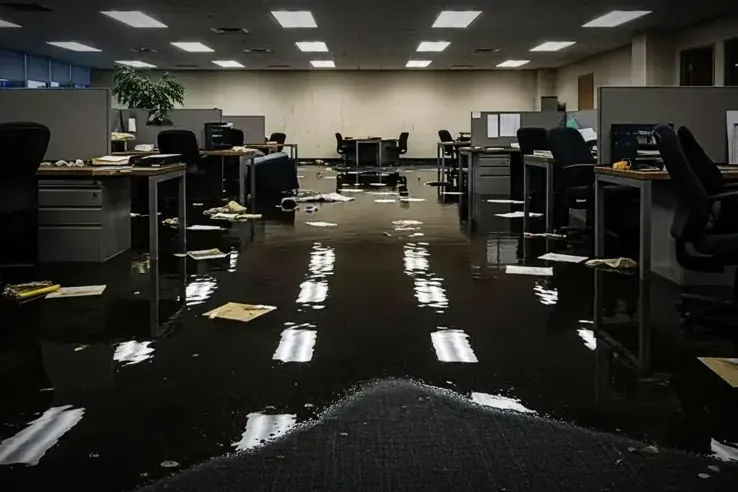 Commercial Water Damage RestorationBusiness cleanup divides a loss into safe work zones while protecting access, records and unaffected operating areas where possible.View Portland service
Do this first
Protect people and slow the spread
- Avoid electrical exposure Keep occupants outside water near outlets, appliances or energized fixtures until the area is declared safe.
- Reduce the release Shut a reachable valve or stop using the responsible fixture only when doing so does not require entering danger.
- Photograph the scene Capture the source, water edge and affected contents before moving items or changing the visible condition.
- Keep clean areas separate Use a dry route for unaffected belongings and do not carry runoff or sewage residue through the property.
- Report connected spaces Mention adjacent rooms, closets, wall bases and lower levels that may sit beyond the obvious wet area.
Local conditions
Water damage and building conditions in Portland
Portland has recorded flooding and utility events, while each building still requires its own source inspection.
A May 2017 report documented Portland flash flooding after the National Weather Service measured unusually heavy rainfall.
Cost planning
Conditions determine the estimate
Water volume, contamination, access, material layers and required monitoring shape the restoration scope found during inspection.
Contained release
$1,000 to $3,500
- Small wet area
- Clear access
- Limited layers
Connected spaces
$3,500 to $9,000
- Several rooms
- Hidden edges
- Multiple materials
Complex contamination
$9,000 to $15,000+
- Controlled entry
- Porous removal
- Detailed tracking
These planning ranges are not a property estimate. Plumbing, roofing and finish reconstruction should remain separate from extraction, cleaning and structural drying charges. Estimate a cleanup range.
Drying and equipment
Measured drying completion
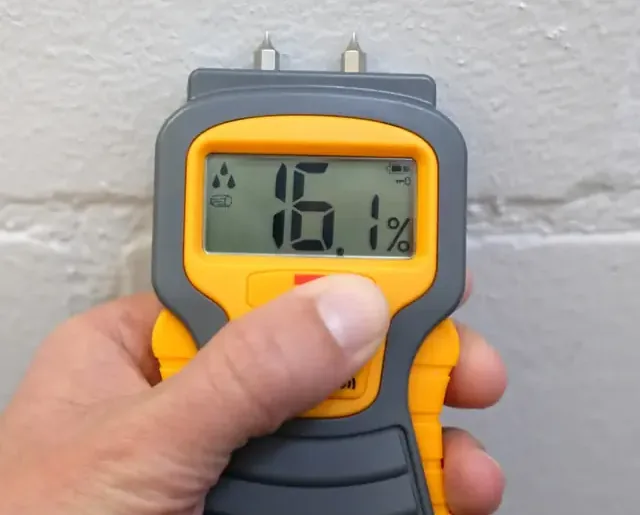
Marked testing points show whether wet wood, gypsum or concrete is moving toward an unaffected material baseline.
- 1
Identify the release
Record the source, category and initial water boundary.
- 2
Remove the burden
Extract liquid and separate damaged from restorable layers.
- 3
Manage evaporation
Balance surface evaporation with removal of indoor vapor.
- 4
Confirm the result
Compare closing measurements with unaffected materials before completion.
Water classification
Classification changes handling
Supply release
Recent water from a supply pipe may begin relatively clean before crossing other materials.
Explore pipe cleanupUsed appliance water
Discharge can carry residues that influence cleaning, containment and decisions about porous finishes.
Explore appliance cleanupSewage or runoff
Contamination calls for isolation, protective controls and removal of absorbent items that cannot be restored.
Explore sewage cleanupInsurance documentation
Organized loss records
Photographs and readings can describe the loss clearly without making promises about policy coverage or claim decisions.
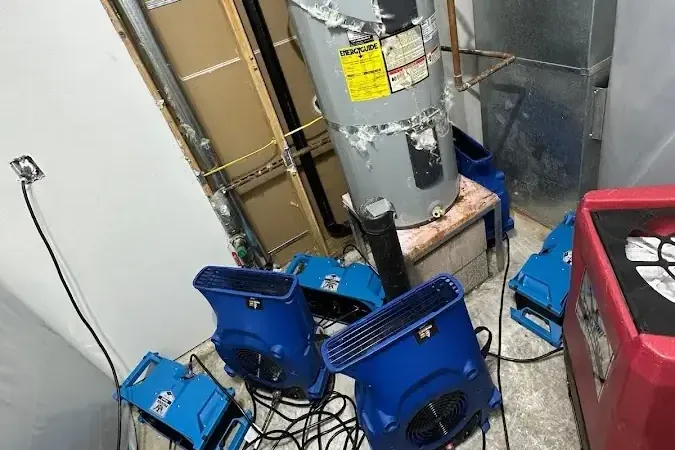
Restoration equipment
Extraction, inspection and drying
Service area
Coverage across Portland and Sumner County
Service visits cover the areas below. The property contact can describe safe access, affected rooms and the suspected source when requesting help.
Questions
Water damage questions in Portland, TN
1What is checked first?
The inspection records the source, electrical concerns, contamination and the visible water boundary before cleanup changes the scene.
2Can moisture extend past the puddle?
Yes. Water may follow flooring seams, wall bases, cavities or openings into a connected room or lower level.
3How is hidden dampness located?
Imaging can direct the survey, while direct meter readings confirm the condition of individual materials.
4Does every wet finish need removal?
No. Water category, physical damage and access for controlled drying direct the decision for each layer.
5Why are readings repeated?
Measurements at consistent points reveal progress and support equipment changes as different materials release moisture.
6Is a Portland flood event proof of property flooding?
No. Local history provides context only; the source and property-level evidence determine the actual work.
7What records support a claim assessment?
Early photographs, moisture maps, material notes, equipment logs and final readings create a clear factual file.
8Who handles the failed plumbing?
A plumber addresses the pipe or fixture, while restoration work focuses on escaped water and affected materials.
9Which ZIP code does the Portland hub cover?
The City of Portland lists 37148, with service considered according to the actual property location.
24/7 emergency dispatch
Begin with the water path
A source check and material map turn visible damage into a focused restoration plan.