Category 3 cleanup
Sewage Backup Cleanup in Portland, TN
Drain discharge brings more than unwanted water into a room. A controlled cleanup protects unaffected areas, removes residue and porous materials that cannot be restored, then measures the cleaned structure during drying.
(888) 849-5796Request contained sewage cleanup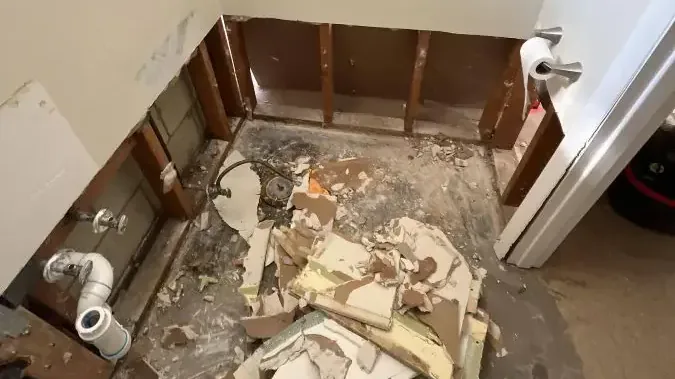
Water category
Grossly contaminated
Traffic plan
Clean and affected routes
Local system
Portland sewer collection
Closeout
Cleaned, dry materials
Do this first
First moves when you find sewage backup cleanup
- Stop using connected drains Avoid connected fixtures that could add wastewater while the backup cause remains unresolved.
- Close the affected room Occupants and pets should remain outside the wastewater area without stepping through visible solids or residue.
- Protect clean pathways Affected belongings need controlled handling before removal through any shared hallway or previously dry room.
- Record from safety The boundary and source fixture can be photographed only where doing so avoids contact and electrical hazards.
Typical cost ranges
What does sewage backup cleanup cost in Portland, TN?
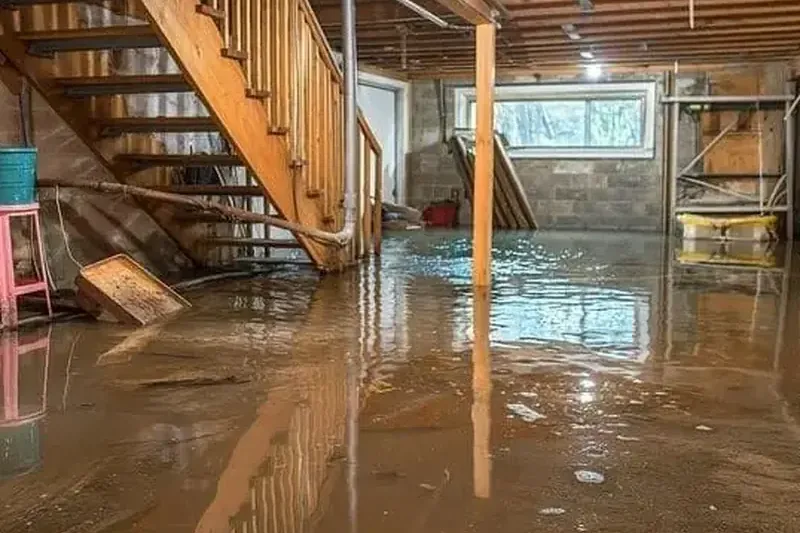
Sewage cleanup includes restricted access, extraction and disposal of non-restorable porous finishes. Residue volume, connected rooms and contents handling affect the estimate. Detailed cleaning and subsequent drying are documented separately for the retained structure.
Small drain backup
$2,500 to $5,000
- Contained zone
- Limited removal
- Direct cleaning access
Finished lower level
$5,000 to $10,000
- Flooring disposal
- Wall-base removal
- Several cleaned surfaces
Large persistent backup
$10,000 to $15,000+
- Broad containment
- Extensive waste handling
- Longer structural drying
Every loss is priced on its own facts. Run the water damage cost calculator for a planning range before the walkthrough.
The work, step by step
How sewage backup cleanup is handled in Portland, TN
- 1
Restrict the area
Mark the wastewater footprint and control entry to protect occupants and unaffected rooms.
- 2
Extract and remove
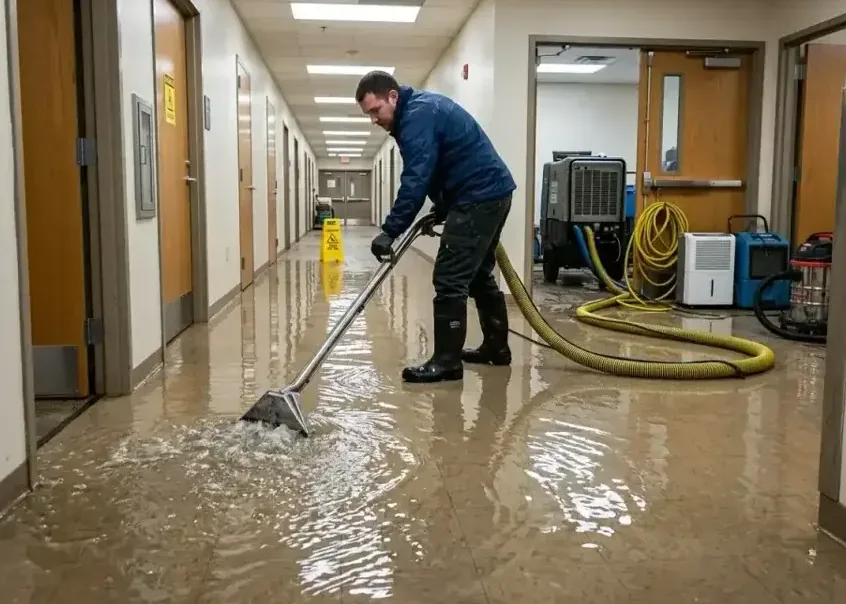
Collect sewage and package non-restorable porous finishes for movement along the designated protected waste route.
- 3
Detail-clean surfaces
Remove soil from durable assemblies, including joints and edges that can retain residue after bulk extraction.
- 4
Verify dry structure
Document cleaning separately from the material readings used to monitor drying of the retained structure.
The Portland Sewer Collection Department maintains the municipal sewer system, which serves approximately 3,750 customers. At a property with a backup, the drain investigation identifies the connection and source problem. Restoration begins with the affected fixtures, the path of the discharge and the surfaces contacted, then sets access controls around the rooms needing cleanup.
Containment protects the rest of the building
Occupants remain outside the affected zone. Technicians establish a controlled entry, waste route and equipment area so residue is not tracked into clean rooms. Bulk wastewater and solids are removed before detailed surface work. Whether the loss is near Main Street or Fountain Head, the Category 3 controls follow contamination at the site.
- Do not use fixtures connected to the backup
- Keep skin away from wastewater and residue
- Close access without disturbing visible solids
- Photograph conditions only from a safe location
Porous materials receive strict assessment
Carpet pad, gypsum and insulation can absorb sewage beyond reliable cleaning. Removal follows exposure and construction boundaries. Durable surfaces are physically cleaned and treated according to their material, with attention to cracks, edges and fastener points that can hold residue.
System distinction: Public sewer maintenance and private plumbing are separate. A drain professional identifies the blockage or failed component while restoration addresses contaminated interiors.
Drying follows decontamination
Airflow is delayed until loose contamination is controlled. After cleaning, readings direct dehumidification across remaining structural materials. Portland Lake Road and the Highland Rim describe location, while the actual sewer connection must be established for the affected property. Closeout records describe removed materials, cleaned surfaces and final values.
Tools and reusable equipment leave through a controlled decontamination point before returning to clean space. Work records identify waste containers, removed finishes and every durable surface included in cleaning. That sequence makes the handoff to drying clearer and prevents unfinished sanitation tasks from being hidden by equipment.
Sewage Backup Cleanup and local building conditions
Local building layouts and drainage patterns guide the moisture map and equipment plan.
Service area
Sewage Backup Cleanup across Portland and Sumner County
Sewage cleanup serves Main Street and Fountain Head. See water extraction or return to the service hub. Drain connection details and the source of each backup require property-specific investigation.
Service areas include Main Street, Fountain Head, Portland Lake Road, Highland Rim.
All water damage services in PortlandRelated
Related water damage services in Portland

Questions
Sewage Backup Cleanup questions in Portland, TN
1Is sewage considered Category 3?
Yes. Wastewater is grossly contaminated and requires controlled handling and protective measures.
2Can carpet be cleaned after a backup?
Absorbent carpet and pad exposed to sewage commonly require removal rather than ordinary cleaning.
3When can air movers operate?
Only after loose contamination and unsafe porous material have been controlled and removed.
4Who clears the drain blockage?
A qualified drain or plumbing professional corrects the source separately from interior restoration.
5How is the wastewater connection checked in Portland?
A plumbing professional identifies the property connection and locates the obstruction before fixture use resumes.
6What is documented?
The initial boundary, material removal, cleaning steps, moisture readings and closing condition belong in the file.
7Can occupants remain nearby?
They should stay outside containment and follow site-specific safety directions during contaminated cleanup. The team confirms removal and detailed cleaning are complete, documents retained surfaces, and then verifies that structural materials meet the drying target established for the project. The final sanitation record stays distinct from the later moisture monitoring log.
24/7 emergency dispatch
Sewage Backup Cleanup in Portland? Start the dry-out now.
Water that sits keeps spreading into subfloor, drywall and framing. The restoration crew handles sewage backup cleanup 24/7 across Portland.