Winter roofs · Goodlettsville, TN
Roof Leak Water Damage in Goodlettsville, TN
When a ridge of ice forms at the eaves, meltwater backs up under the shingles and runs into the attic, the top of the wall and the ceiling. The drying team follows it down and dries each layer it soaked.
(888) 849-5796Get the roof leak damage dried in Goodlettsville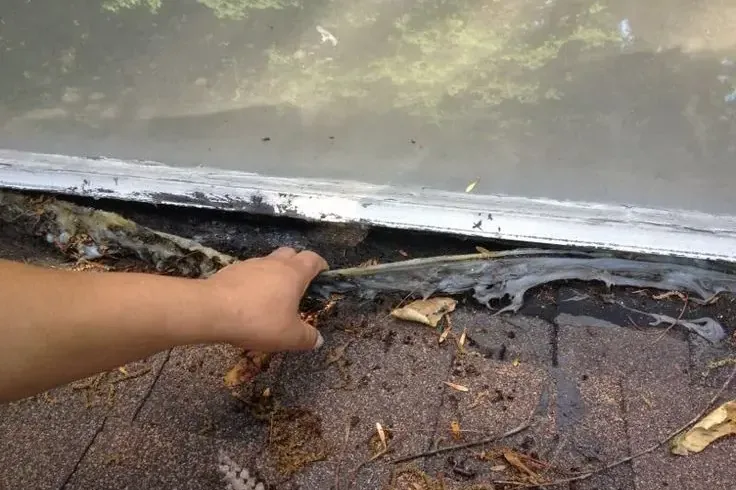
Season
Storm and freeze-thaw periods
Where it shows
Exterior walls and top-floor ceilings
Drying standard
IICRC S500
Roof repair
A roofer after source control
Do this first
First moves when you find roof leak and roof leak damage
- Catch the drips Buckets and towels under the leak.
- Poke a drain hole if it bulges A small hole in a bulging ceiling lets water out safely.
- Stay off the roof Ice removal on a roof is a job for a roofer.
- Move furniture and electronics Get them away from the wet wall and ceiling.
- Photograph inside and out Include the ice at the eaves and the stain inside.
Typical cost ranges
What does ice dam and roof leak water damage cost in Goodlettsville, TN?
In Goodlettsville, TN, roof leak and roof leak water damage typically runs $1,000 to $8,000 for the interior dry-out. The drivers are how long the leak ran, how much insulation got wet, whether walls were involved and how fast drying started.
One ceiling stain
$1,000 to $2,500
- Attic check
- Ceiling drying
- Readings
Ceiling and wall
$2,500 to $5,000
- Insulation removal
- Drywall removal
- Cavity drying
Several rooms
$5,000 to $8,000+
- Attic and walls opened
- Heat-assisted drying
- Extended monitoring
Every loss is priced on its own facts. Run the water damage cost calculator for a planning range before the walkthrough.
The work, step by step
How roof leak and roof leak damage is handled in Goodlettsville, TN
- 1
Start in the attic
The tech who does the walkthrough traces wet insulation and sheathing with thermal imaging.
- 2
Remove what holds water
The mitigation team pulls wet insulation and soft drywall.
- 3
Dry with heat
The drying team runs heaters with LGR dehumidifiers or desiccants.
- 4
Verify and record
Daily readings confirm the framing and drywall reach the goal.
Roof leaks can begin with damaged shingles, failed flashing, wind-driven rain or freeze and thaw at the eaves. Heat escaping into the attic melts snow on the upper roof, the water runs down to the cold eave and freezes, and the growing ridge of ice holds back the next round of meltwater. That water finds its way under the shingles and into the house.
How roof leak water gets in
- Meltwater backed up under shingles at the eaves
- Water running down the inside of exterior walls from the top plate
- Soaked attic insulation dripping onto the ceiling drywall
- Stains around window heads on the top floor
- Wind-driven rain through damaged flashing or shingles in spring and summer storms
How the cleanup works
The tech who does the walkthrough starts in the attic and works down, using thermal imaging to find wet insulation, sheathing and wall cavities. Wet blown or batt insulation is removed, because it holds water against the ceiling. Stained ceiling drywall that is sagging or soft comes down; firm drywall with a small stain is often dried in place.
Winter drying needs heat, so the drying team closes the space and runs LGR dehumidifiers with heaters or, on dense framing, desiccants. Readings are logged daily until the sheathing, framing and drywall reach the goal. A roofer handles ice removal and repairs; the restoration team handles the water inside.
Trade fact: attic insulation that got wet from an roof leak loses most of its insulating value, which can make the next roof leak worse, so it is replaced after the attic dries.
Preventing the next roof leak
A roofer checks shingles, flashing, penetrations and ventilation after the interior is protected. Safe maintenance keeps small openings from feeding another ceiling loss. The Ready.gov winter preparedness page and the National Weather Service winter safety page cover insulation and winter storms. A leak from an upstairs bathroom instead is covered on the ceiling leak page.
Ice Dam and Roof Leak Water Damage and local building conditions
Storm-driven roof water may track into ceilings along Gallatin Pike and Main Street, including buildings toward Pleasant View and Joelton.
Service area
Ice Dam and Roof Leak Water Damage across Goodlettsville and Davidson County
The restoration team covers Goodlettsville ZIP codes 37070 and 37072, from Main Street and Mansker Creek to Rivergate Parkway, Gallatin Pike and Dry Creek Parkway, plus Springfield, Coopertown, Pleasant View, Portland and Joelton.
See every area and ZIP coveredRelated
Related water damage services in Goodlettsville
Questions
Ice Dam and Roof Leak Water Damage questions in Goodlettsville, TN
1What causes roof leaks?
Heat escaping into the attic melts snow on the upper roof, and the water refreezes at the cold eave, building a ridge of ice that holds back more water.
2Can a stained ceiling be saved?
If the drywall is firm and dries quickly, it often can, then it is sealed and painted. Soft or sagging drywall is replaced.
3Is roof leak damage covered by insurance?
Interior water damage from an roof leak is often covered, while the roof maintenance itself usually is not. Coverage depends on your policy, so it is worth checking with your own insurer.
4Should I chip ice off the roof?
No. Chipping damages shingles and is dangerous. A roof rake from the ground and a roofer for the ice are safer.
5Does wet attic insulation need replacing?
Usually. Soaked insulation compresses and loses its value, so it is removed and replaced after the attic dries.
6How long does drying take in winter?
Most roof leak losses dry in three to five days with heat and dehumidifiers. Plaster and dense framing take longer.
24/7 emergency dispatch
Ice Dam and Roof Leak Water Damage in Goodlettsville? Start the dry-out now.
Water that sits keeps spreading into subfloor, drywall and framing. The restoration crew handles roof leak and roof leak damage 24/7 across Goodlettsville.